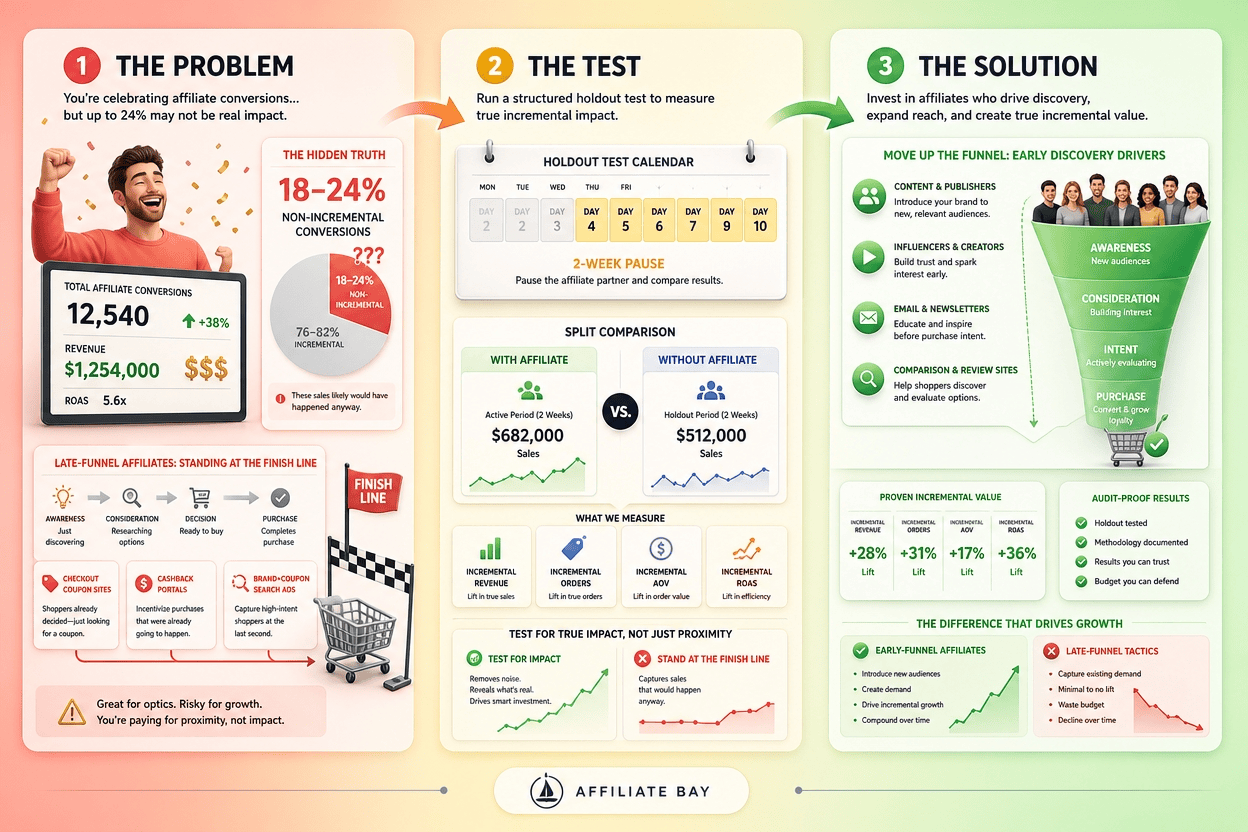

Affiliate fraud costs the digital advertising industry an estimated $3.4 billion annually. Fraudulent clicks account for 17% of all affiliate traffic, and up to 25% of leads generated through affiliate marketing campaigns can be fake. According to a 2026 report from Fintel Connect, click bots and fake traffic have risen 33% since 2022, costing advertisers $71 billion in total advertising spend. Meanwhile, 67% of brands report worrying about fraud, but only 31% have actually experienced confirmed incidents — suggesting that a large volume of fraud goes undetected.
These are not abstract statistics for affiliate marketers. Whether you are running a CPA network, managing an affiliate program for your SaaS product, or promoting offers as an affiliate publisher, fraud directly threatens your revenue, your reputation, and your relationships with advertisers. A single fraudulent affiliate can destroy the trust an advertiser has in your entire network. A wave of bot traffic can inflate your costs while delivering zero real customers. And cookie stuffing can silently siphon commissions you legitimately earned.
This guide covers every major type of affiliate fraud active in 2026, explains exactly how each one works, shows you how to detect it using specific tools and metrics, and provides actionable prevention strategies. We also review the leading fraud detection platforms — Voluum’s Anti-Fraud Kit, RedTrack, CAKE, Anura, TrafficGuard, Fraudlogix, and Everflow — comparing their features, pricing, and best use cases so you can choose the right protection for your business.
Content Outline
The State of Affiliate Fraud in 2026
The affiliate marketing industryis projected to reach $23.84 billion in 2026, up from $22.58 billion in 2025. As the industry grows, so does the sophistication of fraudsters. According to IREV’s February 2026 analysis, AI-powered fraud has fundamentally changed the threat landscape. Where cookie stuffing and simple bot clicks once dominated, 2026 fraud increasingly involves synthetic traffic generated by AI, conversion spoofing through compromised SDKs, and attribution hijacking using click injection timed to precision.
Tapfiliate’s April 2026 Defense Guide estimates that affiliate fraud costs programs 10–25% of their total budget. For a program spending $1 million annually on affiliate payouts, that translates to $100,000 to $250,000 lost to fraudulent commissions. TrafficGuard’s 2026 click fraud statistics paint an even starker picture: $1 in every $3 spent on digital advertising is lost to bots and invalid traffic. Average click fraud rates range between 15% and 25%, with affiliate and social campaigns experiencing the highest rates.
The Experian fraud forecast for 2026 warns that AI-powered scams are set to explode, building on the $12.5 billion consumers lost to fraud in the prior year. For affiliate marketers specifically, this means the fraud tools and strategies that worked even two years ago are increasingly insufficient. The shift from cookie-based tracking to server-side attribution has closed some old vulnerabilities but opened new ones, and the industry is in a constant arms race between fraudsters and detection technology.
The 8 Major Types of Affiliate Fraud
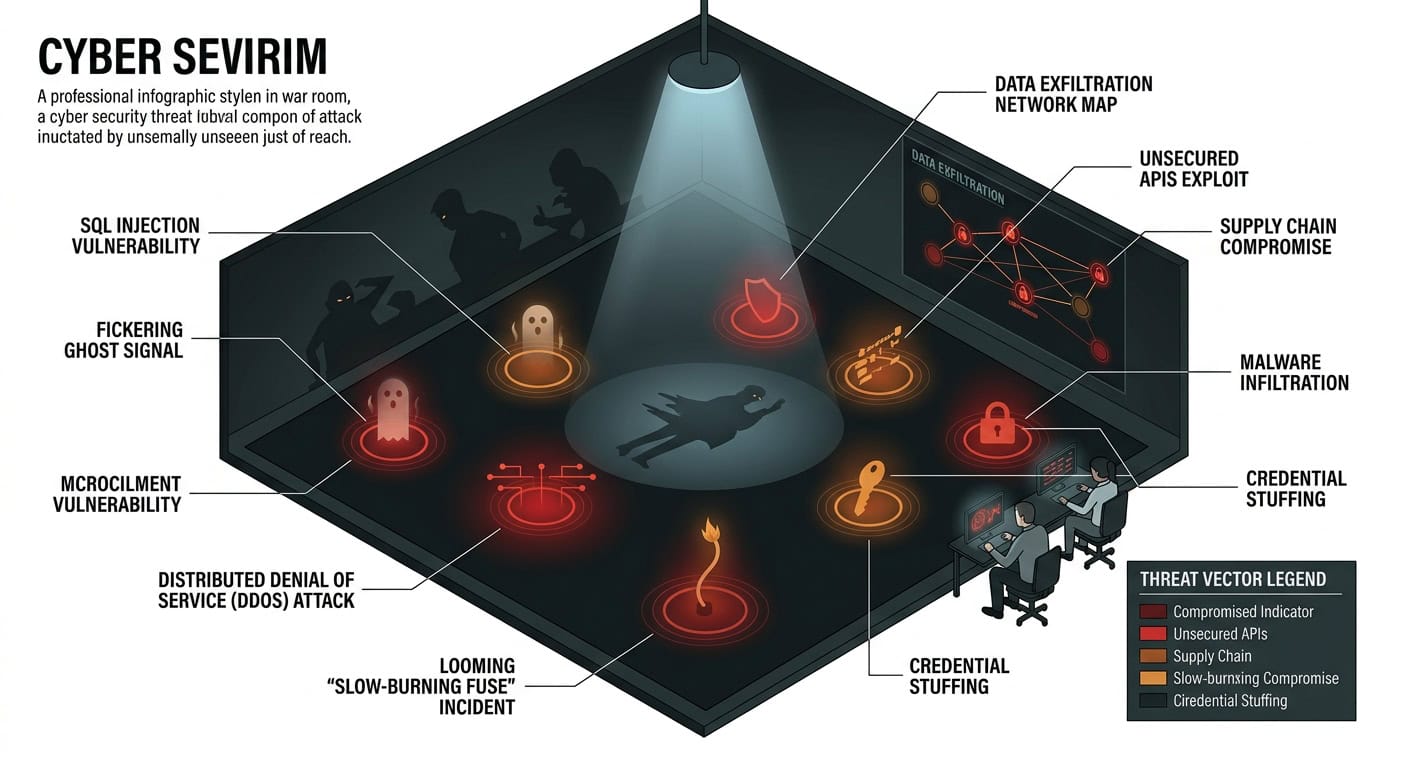
Understanding what you are defending against is the first step to effective prevention. Here are the eight most common and damaging types of affiliate fraud active in 2026, how each one works technically, and the warning signs you should monitor.
1. Click Fraud (Bot Traffic)
Click fraud is the most widespread form of affiliate fraud and involves generating fake clicks on affiliate links using automated bots, scripts, or click farms. The goal is to inflate click counts to either drain an advertiser’s CPC budget or create the appearance of legitimate traffic to justify affiliate commissions.
How it works technically: Fraudsters deploy botnets — networks of compromised computers or rented cloud servers — to simulate human clicks on affiliate links. Modern bots are sophisticated enough to mimic human behavior patterns including random mouse movements, varied time-on-page, and even simulated scrolling. Some bots run headless browsers that execute JavaScript, load tracking pixels, and appear indistinguishable from real users in basic analytics dashboards.
Warning signs to watch: Sudden spikes in click volume without corresponding increases in conversions. Abnormally high click-through rates from specific traffic sources. Click timestamps clustered in unnaturally regular intervals. High bounce rates (95%+) from specific referral sources. Geographic concentration in regions that do not match your target market. IP addresses originating from data centers rather than residential ISPs.
Impact: Click fraud drains CPC budgets, pollutes analytics data, inflates costs per acquisition, and can lead advertisers to penalize or terminate legitimate affiliates whose traffic gets mixed with fraudulent sources.
2. Cookie Stuffing
Cookie stuffing involves secretly placing affiliate tracking cookies on a user’s browser without a genuine click or referral interaction. The fraudster earns commissions on organic purchases that would have happened anyway, effectively stealing credit for conversions they played no role in generating.
How it works technically: A fraudster embeds hidden affiliate links within a webpage using techniques such as zero-pixel iframes (1×1 pixel invisible frames that load an affiliate redirect URL), JavaScript injections that fire affiliate URLs in the background, pop-unders that load affiliate landing pages behind the active browser window, or image tags where the “src” attribute points to an affiliate redirect URL instead of an actual image file. When a user visits the page, the affiliate cookie is silently dropped. If that user later makes a purchase from the merchant (for any reason), the fraudster receives the commission.
Warning signs to watch: Affiliates generating high conversion volumes with abnormally low or zero click-through rates. Conversions originating from traffic sources that do not logically align with the product being promoted. An affiliate’s referral URL patterns showing unusual redirect chains. Conversion timestamps that do not correlate with any recorded click events.
Impact: According to Chargebacks911’s 2026 analysis, cookie stuffing remains a persistent threat despite the broader shift away from third-party cookies. Server-side tracking has reduced some cookie-stuffing vectors, but the technique still works against programs relying on traditional cookie-based attribution.
3. Click Injection
Click injection is a mobile-specific fraud technique where a malicious app on a user’s device detects when another app is being installed and fires a fake click just before the installation completes. This tricks the attribution system into crediting the fraudster’s affiliate link for an organic install they did nothing to generate.
How it works technically: The fraudulent app uses Android’s broadcast receiver to listen for “install broadcasts” — signals that a new app installation has begun. When it detects an installation in progress, it instantly fires a click to the attribution provider, arriving milliseconds before the install event. Because attribution systems typically credit the last click before conversion, the fraudster captures credit for the organic install.
Warning signs to watch: Extremely short click-to-install times (CTIT) — legitimate installs typically show CTITs measured in minutes to hours, while click injection produces CTITs of seconds or less. High conversion rates from sources with no corresponding pre-click engagement. Install patterns that correlate with specific apps installed on the same devices.
Impact: Click injection is particularly damaging in CPI (cost per install) campaigns common in mobile app affiliate programs. IREV’s 2026 analysis identifies click injection near conversion events as one of the most advanced fraud techniques currently in use.
4. Fake Leads and Form Fraud
Fake lead generation involves submitting fraudulent lead forms with fabricated or stolen personal information to earn CPL (cost per lead) commissions. This is especially prevalent in finance, insurance, education, and health affiliate verticals where lead generation is the primary conversion model.
How it works technically: Fraudsters use automated scripts to fill out lead capture forms with synthetic data generated by AI or with real consumer data obtained from data breaches. Some operations use offshore data-entry workers to manually submit forms, making detection more difficult because the submissions come from real human behavior patterns. Advanced operations combine real consumer data (names, phone numbers, email addresses) from stolen databases with fake intent, creating leads that pass initial validation but never convert into customers.
Warning signs to watch: Leads with phone numbers or email addresses that bounce or do not respond to follow-up. Leads clustered from a narrow range of IP addresses or geographic regions. Form submission timestamps showing unnaturally fast completion times (filling out a 10-field form in under 3 seconds indicates automation). High lead volumes from a single affiliate combined with near-zero downstream conversion rates. Duplicate data patterns across multiple lead submissions.
Impact: Fake leads are costly because they not only generate fraudulent payouts but also waste sales team time and resources. In finance and insurance verticals, fake leads can also create compliance and regulatory issues if outreach is made to consumers who never consented.
5. Ad Stacking and Pixel Stuffing
Ad stacking involves layering multiple ads on top of each other in a single ad placement so that only the top ad is visible to the user, but impressions (and sometimes clicks) are counted for all stacked ads. Pixel stuffing shrinks ads to a 1×1 pixel size, making them invisible to users while still registering impressions.
How it works technically: In ad stacking, a publisher places multiple ad creatives in overlapping layers within a single ad container. The user sees and potentially interacts with only the top ad, but all ads in the stack register an impression event. In pixel stuffing, the entire ad creative (including tracking pixels) is loaded in an iframe scaled to 1×1 pixel — technically “displayed” on the page but completely invisible to the human eye.
Warning signs to watch: Extremely high impression volumes from a single publisher or placement without corresponding engagement. Viewability scores near zero for specific placements. CTRs that are statistically impossible (either too low for the impression volume or too high for the actual visible ad space).
Impact: These techniques primarily affect CPM and CPI campaigns, inflating impression counts without delivering genuine ad exposure. While less common in pure CPA affiliate marketing, they frequently appear in hybrid campaigns that combine impression-based and action-based compensation.
6. Attribution Hijacking (Last-Click Manipulation)
Attribution hijacking involves manipulating the last-click attribution model to steal credit for conversions generated by other marketing channels. Rather than generating genuine traffic, the fraudster inserts their affiliate cookie or click record as close to the conversion event as possible, overwriting the legitimate referring source.
How it works technically: This can take several forms. Toolbars and browser extensions that automatically fire affiliate clicks whenever a user visits a merchant’s checkout page. Adware that injects affiliate redirects during the purchase process. Typosquatting domains that redirect through affiliate URLs before landing on the correct merchant site. Retargeting fraud where affiliates bid on the merchant’s branded keywords to capture last-click credit from users who were already going to purchase.
Warning signs to watch: Affiliates generating high conversion rates with minimal or no genuine content or traffic. Conversions that show affiliate clicks occurring within seconds of the purchase — indicating the click happened during the checkout process rather than during the discovery phase. Traffic from toolbars or browser extensions. Branded keyword bidding by affiliates in violation of program terms.
Impact: Attribution hijacking is particularly insidious because the conversions themselves are real — real customers are making real purchases. The fraud lies in who receives credit (and commission) for the sale. This makes detection more challenging because standard conversion quality metrics appear normal.
7. Conversion Spoofing
Conversion spoofing involves fabricating conversion events by directly firing tracking pixels or postback URLs without any actual user action occurring. The fraudster simulates the technical signals of a conversion (a pixel fire, a server-to-server postback, or a form submission) without a genuine customer transaction taking place.
How it works technically: The fraudster reverse-engineers the advertiser’s conversion tracking setup to identify the pixel URL, postback format, or API endpoint that registers a conversion. They then generate fake conversion signals by directly calling these URLs with fabricated transaction data. Advanced spoofing uses compromised SDKs — legitimate software development kits that have been modified to generate fake conversion events alongside real ones.
Warning signs to watch: Conversions that cannot be matched to genuine transactions in the merchant’s order management system. Postback URLs being called from IP addresses that do not match the traffic sources associated with the corresponding clicks. Conversion event metadata (device type, browser, OS) that does not match the click event metadata.
Impact: IREV’s 2026 report identifies fake conversions generated through compromised SDKs as a growing threat, particularly in mobile and iGaming affiliate verticals.
8. AI-Generated Synthetic Traffic
This is the newest and most rapidly evolving category of affiliate fraud in 2026 . AI-generated synthetic traffic uses machine learning models to create fake users that behave indistinguishably from real humans — browsing multiple pages, spending varied amounts of time on different sections, moving the mouse naturally, and even completing multi-step conversion funnels.
How it works technically: Fraudsters train AI models on real user behavior data to create synthetic browsing sessions that pass behavioral analysis checks. These synthetic users run on residential proxy networks (making their IP addresses appear residential rather than data-center-based), use randomized device fingerprints, and can even solve basic CAPTCHAs using AI image recognition. Some synthetic traffic tools can generate thousands of unique “users” that each exhibit distinct browsing patterns.
Warning signs to watch: Traffic patterns that are statistically “too perfect” — real human traffic is messy and contains outliers, while AI-generated traffic tends to cluster around behavioral medians. Session recordings showing identically structured browsing patterns across supposedly unique visitors. Conversion rates that remain unnaturally stable across different time periods, days of the week, and campaigns. Residential IP addresses showing impossible geographic movement patterns (a single user appearing from multiple cities within minutes).
Impact: Fortune’s January 2026 report warns that AI-powered fraud is set to surge, building on the infrastructure developed during 2024–2025. For affiliate marketers, this represents a fundamental challenge because traditional rule-based fraud detection cannot keep pace with AI-generated patterns that continuously evolve.
How to Detect Affiliate Fraud: A Practical Framework

Detecting fraud requires a layered approach that combines automated tools, manual analysis, and ongoing vigilance. No single metric or tool catches everything, which is why the most effective fraud prevention strategies use multiple signals simultaneously. Here is a practical detection framework you can implement immediately.
Layer 1: Traffic Quality Analysis
The first layer of detection involves analyzing the quality of incoming traffic before it reaches the conversion stage. Set up monitoring for the following metrics across every affiliate source.
Monitor your click-to-conversion ratio by affiliate and traffic source. Legitimate affiliates typically show conversion rates between 1% and 10% depending on the vertical. Rates above 15% from a single source warrant investigation (the traffic may be hyper-targeted, but it could also indicate cookie stuffing or attribution hijacking). Rates below 0.1% suggest bot traffic that clicks but never converts.
Track your time-to-conversion distribution. Plot the time elapsed between the initial click and the conversion event for each affiliate. Legitimate purchase decisions follow a natural distribution — some users convert immediately while others take days or weeks. If an affiliate’s time-to-conversion distribution shows a sharp spike at very short intervals (seconds) or very specific intervals (exactly 24 hours, exactly 48 hours), this suggests automated behavior.
Examine geographic consistency. If your product targets US customers but an affiliate is sending 80% of their traffic from Southeast Asian IP addresses, the mismatch warrants investigation regardless of whether those clicks eventually show US conversions (which could indicate proxy usage).
Analyze device and browser fingerprints. Legitimate traffic shows a natural distribution of devices (mobile vs. desktop), operating systems (iOS, Android, Windows, Mac), and browsers (Chrome, Safari, Firefox, Edge). If a single affiliate’s traffic shows an unusual concentration (99% Chrome on Windows, for example) or a large percentage of “unknown” user agents, this signals possible bot activity.
Layer 2: Conversion Quality Validation
The second layer focuses on validating whether conversions are genuine after they occur.
Cross-reference affiliate-attributed conversions against your order management system or CRM. Every conversion claimed by an affiliate should correspond to a real transaction. If you find conversion IDs in your affiliate tracking system that do not exist in your OMS, you have conversion spoofing.
Monitor lead quality for CPL campaigns. Track downstream metrics such as email open rates, phone answer rates, and sales-qualified lead percentages by affiliate source. A legitimate lead source might produce a 20% contact rate and a 5% SQL rate. An affiliate producing leads with a 2% contact rate and 0% SQL rate is almost certainly generating fake leads.
Implement multi-touch attribution analysis alongside your last-click tracking. If an affiliate consistently appears only as the last touch before conversion — with no first-touch or mid-funnel contributions — they may be using attribution hijacking techniques. Genuine content-based affiliates typically appear at multiple points in the customer journey.
Layer 3: Behavioral Pattern Analysis
The third layer involves analyzing behavioral patterns that distinguish real humans from bots and fraudsters.
Review session recordings from affiliate-referred traffic (using tools like Hotjar, FullStory, or Microsoft Clarity). Real users exhibit erratic, unique browsing patterns — they scroll at different speeds, hover over different elements, and navigate unpredictably. Bot traffic shows uniform, mechanical patterns even when designed to appear human.
Monitor for impossible travel patterns. If the same user (identified by device fingerprint or user ID) clicks from New York at 10:00 AM and from London at 10:15 AM, one of those clicks is from a proxy. Residential proxy networks are the primary enabler of sophisticated synthetic traffic.
Track repeat visitor rates by affiliate source. Legitimate content-based affiliates send a mix of new and returning visitors. If 100% of an affiliate’s traffic is first-time visitors with zero returning sessions, the traffic is unlikely to be human.
Layer 4: Financial Pattern Monitoring
The fourth layer tracks financial anomalies that often indicate fraud.
Watch for affiliates whose earnings suddenly spike dramatically. A legitimate affiliate might grow 10–20% month over month. An affiliate whose commissions jump from $500 to $15,000 in a single month without a corresponding known event (such as a viral article or major promotion) deserves scrutiny.
Monitor refund and chargeback rates by affiliate source. Fraudulent conversions often result in higher-than-average refund rates because the “customer” was never genuinely interested. An affiliate with a 25% refund rate when your program average is 5% is a red flag.
Track commission claim patterns. If an affiliate consistently earns commissions on products or plans that are most likely to be refunded (such as free trials that auto-convert), this may indicate a strategy of gaming trial signups with fake accounts.
The 7 Best Affiliate Fraud Detection Tools in 2026
After identifying what to look for, the next step is equipping yourself with the right tools. Here are the seven leading fraud detection and prevention platforms available in 2026, with detailed breakdowns of their features, pricing, and best use cases.
1. Voluum Anti-Fraud Kit

Voluum is one of the most popular affiliate tracking platforms, and its Anti-Fraud Kit is a built-in suite of fraud detection tools available to all Voluum subscribers. The kit analyzes traffic using 10 distinct fraud detection metrics: data center traffic, invisible clicks, fast clicks, frequent clicks, device anomalies, fake device IDs, unrecognized ISP traffic, library referrer traffic, click farm patterns, and suspicious conversion timing.
The Automizer feature allows you to set automated rules that block fraudulent traffic sources in real time. For example, you can configure a rule that automatically pauses any traffic source where more than 20% of clicks are flagged as suspicious by the Anti-Fraud Kit. This removes the need for constant manual monitoring.
Voluum’s fraud detection is integrated directly into its tracking and optimization platform, which means you do not need a separate tool or additional integration. The fraud metrics appear alongside your standard performance metrics in the same dashboard, allowing you to correlate fraud signals with campaign data instantly.
Pricing for Voluum starts at $149 per month for the Startup plan (with a 60% discount available through exclusive coupons bringing it to approximately $69 per month). The Anti-Fraud Kit is included in all plans. Voluum is cloud-based with 99.9% uptime and processes clicks in under 5 milliseconds.
Best for: Affiliate marketers and media buyers who already use or plan to use Voluum for tracking and want fraud detection integrated into their existing workflow without additional tools or costs.
2. RedTrack
RedTrack is a cloud-based tracking and attribution platform that includes built-in fraud detection capabilities. Its anti-fraud system automatically detects fake clicks, bots, and suspicious conversions in real time, preventing fraud before it drains your budget. RedTrack tracks over $2 billion in affiliate revenue and integrates with 200+ traffic sources and affiliate networks.
RedTrack’s approach to fraud detection emphasizes server-side tracking and cookieless attribution, which inherently reduces certain fraud vectors (such as cookie stuffing) that rely on browser-based cookies. The platform provides traffic filtering tools that allow you to redirect traffic based on defined criteria including geography, ISP, operating system, and device type, while flagging sources that do not match expected patterns.
Pricing starts at $149 per month with a 20% discount available for three-month commitments. RedTrack’s fraud detection is included in all plans and does not require separate licensing or per-event fees.
Best for: Affiliate marketers who need server-side tracking with built-in fraud detection, particularly those concerned about cookieless tracking compliance and who want a single platform for attribution, optimization, and fraud prevention.
3. Anura

Anura is a dedicated ad fraud detection solution that focuses exclusively on identifying and eliminating invalid traffic from bots, malware, and human fraud farms. Unlike tracking platforms that include fraud detection as an add-on, Anura is purpose-built for fraud prevention and claims to be the first and only ad fraud detection solution with a 99.999% accuracy guarantee.
Anura analyzes hundreds of data points in real time for every visitor, scoring each one as either “good” or “bad” traffic. The platform covers all major fraud types including bot traffic, click fraud, impression fraud, affiliate fraud, and lead fraud. According to Anura’s own data, affiliate fraud accounts for up to 45% of all affiliate traffic — a significantly higher estimate than the industry average of 17%, suggesting that many fraud instances go undetected by less sophisticated tools.
Anura integrates with affiliate tracking platforms including Trackdesk, providing seamless fraud scoring within existing workflows. The platform offers a free trial so you can measure how much of your current traffic is fraudulent before committing to a paid plan. Pricing is available upon request and is typically structured as a CPM-based model.
Best for: Affiliate networks, large program managers, and advertisers who need dedicated, high-accuracy fraud detection as a standalone solution integrated with their existing tracking stack.
4. TrafficGuard

TrafficGuard provides multi-channel click fraud prevention and detection software that validates every click, impression, and conversion in real time. The platform processes data from over 3 trillion data points and covers PPC, social, affiliate, and programmatic channels.
For affiliate-specific fraud, TrafficGuard monitors every click and conversion in real time to identify suspicious activity including bot clicks, fake leads, cookie stuffing, and attribution manipulation. The platform provides transparent reporting that shows exactly which traffic was flagged and why, allowing you to make informed decisions about your affiliate relationships.
TrafficGuard offers a free monitoring tier (up to $2,500 in ad spend) that lets you see how much fraud exists in your current traffic before committing to paid protection. Paid plans scale based on ad spend, with a percentage-based pricing model. However, note that at higher spend levels ($50,000+), the 2% fee can become significant. Dedicated affiliate fraud protection features are available in higher-tier plans.
Best for: Advertisers and brands running multi-channel campaigns (PPC, social, and affiliate) who want unified fraud detection across all channels rather than affiliate-specific tools only.
5. Fraudlogix
Fraudlogix is purpose-built for networks, tracking platforms, and large-scale lead traders. The platform combines real-time risk scoring with a database of over 30 million high-risk IP addresses and 20+ fraud signals to detect bot traffic, click fraud, impression fraud, affiliate fraud, lead fraud, and domain spoofing.
Fraudlogix offers developer-friendly APIs and code-based solutions that integrate directly into existing tracking and lead management systems. The platform provides post-bid IVT (invalid traffic) analytics for free, allowing publishers and networks to audit their traffic quality without upfront cost.
Pricing is structured around API query volume. A free tier provides 1,000 IP lookups per month, with paid tiers scaling from 10,000 queries per month up to 100,000+ queries per month. The API-first approach makes Fraudlogix particularly well-suited for CPA networks and performance marketing platforms that need to integrate fraud detection into their own technology stack rather than using a standalone dashboard.
Best for: CPA networks, affiliate tracking platform operators, and lead generation companies that need API-level fraud detection integrated into their own systems.
6. CAKE

CAKE is a performance marketing platform used by affiliate networks and advertisers to manage affiliate relationships, track conversions, and detect fraud. The platform’s anti-fraud features include pixel whitelisting, custom alerts for abnormal campaign behavior, unrealistic conversion timing detection, and real-time monitoring of click and conversion patterns.
CAKE’s fraud detection is integrated into its broader affiliate management platform, which also handles campaign setup, tracking links, commission management, and automated payouts (via Tipalti integration). This makes it a comprehensive solution for businesses that need both affiliate program management and fraud prevention in a single system.
CAKE provides custom alerts that recognize abnormal campaign behavior and unrealistic conversion patterns, allowing program managers to take immediate action on revenue-impacting fraud. The platform integrates with CRM systems, shopping carts, and additional anti-fraud tools for layered protection.
Pricing for CAKE is available upon request and is typically structured for mid-market to enterprise clients. The platform is not well-suited for individual affiliates but is ideal for businesses managing their own affiliate programs or operating networks.
Best for: Affiliate networks and enterprise advertisers managing large-scale affiliate programs who need integrated program management and fraud detection.
7. Everflow

Everflow is a partner marketing platform that offers server-to-server (S2S) tracking with 100% accuracy, robust fraud prevention, and multi-channel partner management. The platform’s anti-fraud tools include fraudulent user targeting, fraudulent click blocking, hidden fraud detection, and automated source blocking based on event rate rules.
Everflow’s approach to fraud prevention is built around its S2S tracking foundation, which eliminates cookie-based fraud vectors by default. The platform integrates with external anti-fraud tools including Salesforce, HubSpot CRM, and dedicated fraud detection services, providing a layered defense approach. Fraud detection features score a perfect 5.0/5.0 on Capterra reviews.
Everflow is designed for GDPR and CCPA compliance, which is increasingly important as privacy regulations affect how fraud detection data can be collected and processed. The platform provides automation capabilities that can pause, block, or redirect traffic from sources that trigger fraud rules without manual intervention.
Pricing is available upon request and is positioned for mid-market to enterprise users. Everflow is particularly strong for businesses managing multiple partner types (affiliates, influencers, referrals) and needing unified fraud protection across all channels.
Best for: Mid-market to enterprise businesses managing diverse partner programs (affiliate, influencer, referral) who need server-side tracking with integrated fraud prevention and privacy compliance.
Fraud Prevention Tool Comparison
Tool | Type | Fraud Detection | Pricing | Best For |
Voluum | Tracking + Fraud | 10 metrics, Automizer rules | From $69/mo (w/ discount) | Affiliate marketers, media buyers |
RedTrack | Tracking + Fraud | Server-side, cookieless | From $149/mo | Cookieless tracking needs |
Anura | Dedicated Fraud | 99.999% accuracy guarantee | Custom (CPM-based) | Networks, large programs |
TrafficGuard | Multi-channel Fraud | 3T+ data points | Free tier + % of spend | Multi-channel advertisers |
Fraudlogix | API Fraud Detection | 30M+ IP database, 20 signals | Free tier + query-based | CPA networks, developers |
CAKE | Program Management + Fraud | Pixel whitelisting, alerts | Custom (enterprise) | Affiliate networks |
Everflow | Partner Platform + Fraud | S2S tracking, GDPR compliant | Custom (mid-market+) | Diverse partner programs |
10 Actionable Prevention Strategies
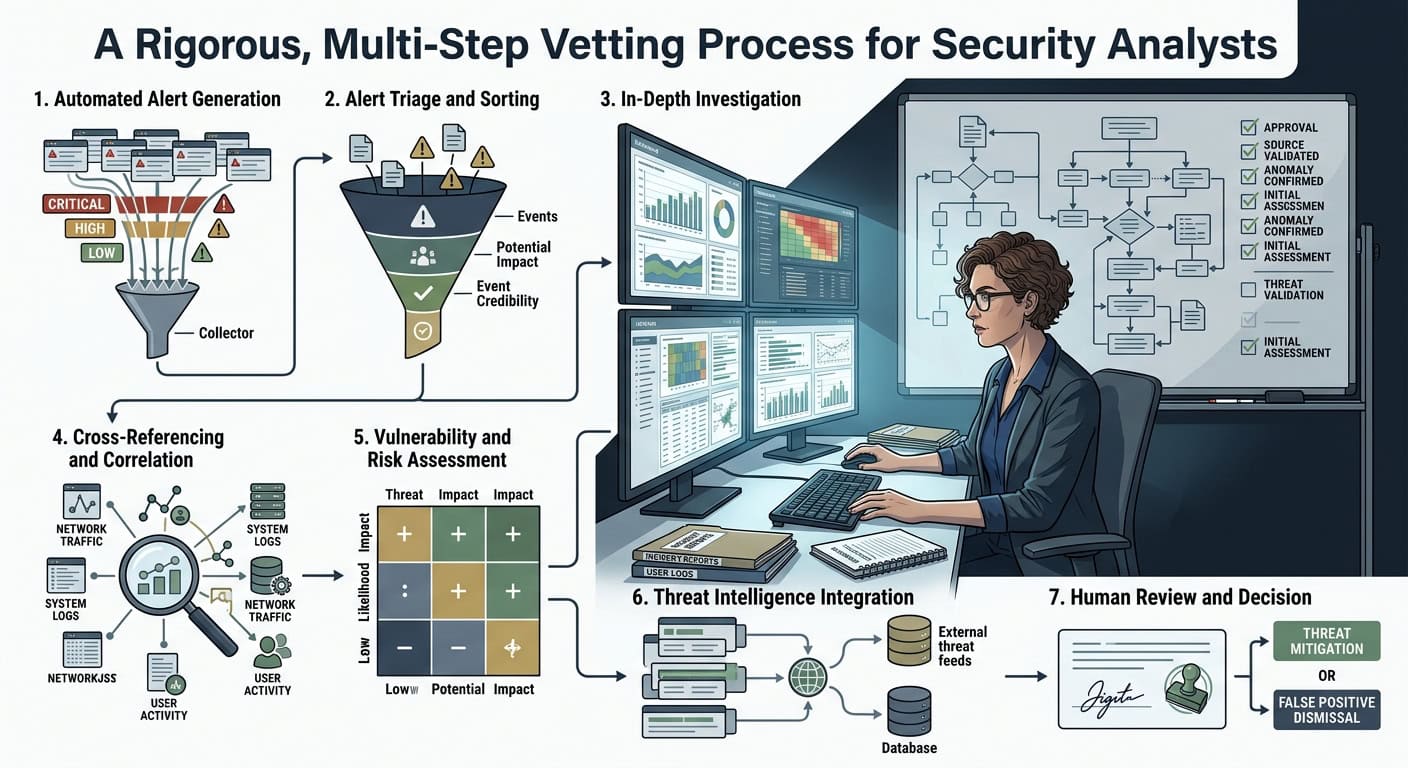
Beyond tools, effective fraud prevention requires processes, policies, and ongoing vigilance. Here are ten strategies you can implement immediately to protect your affiliate program or your reputation as a publisher.
Strategy 1: Manually vet every affiliate before approval. Do not auto-approve affiliates into your program. Review their website, traffic sources, content quality, and social media presence. Search their brand name combined with “fraud” or “scam” to check for prior complaints. Require affiliates to describe their promotion methods during application.
Strategy 2: Implement tiered trust levels. New affiliates should receive lower commission rates, lower payout caps, and more frequent monitoring during their first 60–90 days. Only after they demonstrate consistent, quality traffic should you upgrade them to standard terms. This limits your exposure to fraud from new, unvetted partners.
Strategy 3: Use server-side tracking as your primary attribution method. Server-to-server (S2S) postback tracking eliminates most cookie-based fraud vectors including cookie stuffing and certain forms of attribution hijacking. As of 2026, 67% of B2B firms have adopted server-side tracking, reporting 41% improvements in data quality.
Strategy 4: Set up real-time automated rules. Configure your tracking platform to automatically pause or flag affiliates when their metrics exceed defined thresholds. For example, auto-pause any source with a click-to-conversion time under 10 seconds, a fraud score above 20%, or a refund rate above 15%. This catches fraud instantly rather than discovering it during monthly reviews.
Strategy 5: Monitor conversion quality downstream, not just at the point of sale. Track 30-day, 60-day, and 90-day metrics for customers acquired through each affiliate source. Measure retention rates, lifetime value, refund rates, and chargeback rates by affiliate. An affiliate that generates high initial conversions but poor downstream quality is either attracting the wrong customers or engaging in fraud.
Strategy 6: Diversify your attribution model. Do not rely solely on last-click attribution. Implement multi-touch attribution or at minimum track first-click and last-click data. This reveals affiliates who only appear at the last touch point (a strong indicator of attribution hijacking) versus affiliates who genuinely introduce new customers to your brand.
Strategy 7: Require two-factor authentication and identity verification for high-earning affiliates. Fraudsters often operate multiple accounts under different identities. Requiring identity verification for affiliates earning above a threshold (for example, $5,000 per month) adds a barrier that legitimate affiliates accept easily but fraudsters avoid.
Strategy 8: Conduct regular manual audits. Once per quarter, manually review your top 20 affiliates by volume and your 10 newest affiliates. Check their websites, review their traffic sources, analyze their conversion patterns, and compare their metrics against program averages. Manual audits catch sophisticated fraud that automated systems may miss.
Strategy 9: Clearly define prohibited promotional methods in your affiliate terms of service. Explicitly ban cookie stuffing, brand bidding, incentivized traffic (unless approved), toolbar or adware distribution, and any form of automated click generation. Make the consequences clear: immediate termination and forfeiture of unpaid commissions. Having clear written policies gives you legal standing to act when fraud is detected.
Strategy 10: Join industry fraud intelligence networks. Organizations such as TAG (Trustworthy Accountability Group) and the MRC (Media Rating Council) maintain shared databases of known fraudulent actors, IP addresses, and patterns. Subscribing to these intelligence feeds and integrating them with your fraud detection tools adds a layer of collective defense that no individual company can replicate alone.
Real-World Case Studies: Fraud Detection in Action

To illustrate how these principles work in practice, consider three scenarios based on common fraud patterns reported in 2026 industry analyses.
In the first scenario, a CPA network running gambling offers notices that a new affiliate generating $8,000 per month in commissions has an unusually high conversion rate of 18% — more than triple the network average of 5%. Upon investigation using Voluum’s Anti-Fraud Kit, they discover that 34% of the affiliate’s clicks originate from data center IP addresses, and the average click-to-conversion time is 4 seconds. The network pauses the affiliate, runs a manual audit, and finds that the affiliate was using compromised mobile SDKs to spoof conversion events. Result: $8,000 in fraudulent commissions prevented per month, and the network shares the compromised SDK data with its fraud intelligence partners.
In the second scenario, an e-commerce brand using the Everflow platform notices that one of its top affiliates shows excellent conversion metrics — high volume, good average order value, and strong revenue numbers. However, the brand’s 90-day downstream analysis reveals that customers from this affiliate have a 32% refund rate compared to the 7% program average. Further investigation reveals that the affiliate is running a cashback scheme where they incentivize purchases through their link by promising consumers a rebate, leading to high initial conversions but low genuine customer intent. The brand updates its terms of service to explicitly prohibit unauthorized cashback offers and terminates the partnership.
In the third scenario, a finance lead generation company using Fraudlogix’s API discovers that 22% of leads from a specific affiliate fail phone verification — the numbers are either disconnected, belong to different people, or ring endlessly without answer. The leads passed initial form validation (correct formatting, realistic names, valid ZIP codes) but fail downstream quality checks. Analysis reveals the affiliate was purchasing stolen consumer data from data breach marketplaces and submitting it as affiliate leads. The company implements mandatory phone verification within 24 hours of lead submission and automatically rejects any affiliate source where more than 15% of leads fail verification.
How Fraud Prevention Connects to Your Tracking Stack
If you are already using affiliate tracking software (and if you are reading this guide, you likely are), fraud prevention should be integrated directly into your tracking workflow rather than treated as a separate process. Here is how the major tracking platforms covered in Affiliate Bay’s Best Affiliate Tracking Software guide connect to fraud prevention.
Voluum includes fraud detection natively through its Anti-Fraud Kit, requiring no additional integration. If you are already a Voluum user, enable the Anti-Fraud metrics in your dashboard settings and configure Automizer rules to act on fraud signals automatically.
RedTrack provides built-in fraud detection with server-side tracking as its foundation. The platform’s cookieless tracking capabilities inherently reduce cookie-based fraud vectors while its traffic filtering tools catch bot traffic and suspicious patterns.
For users of Binom, CPV Lab Pro, BeMob, Keitaro, or other tracking platforms that do not include native fraud detection, integrating a dedicated fraud tool like Anura, TrafficGuard, or Fraudlogix via API provides the necessary protection layer. Most modern tracking platforms support webhook or API integrations that allow external fraud scoring to be applied to incoming traffic in real time.
CAKE and Everflow combine program management with fraud detection, making them ideal for businesses that operate their own affiliate programs and need both capabilities in a single platform.
The key principle is that fraud detection should operate at the point of traffic ingestion — scoring and filtering traffic before commissions are attributed — rather than after payouts have been processed. Retrospective fraud detection recovers some losses but cannot prevent the damage to advertiser relationships and program reputation that occurs when fraudulent conversions are initially approved.
The Future of Affiliate Fraud Prevention
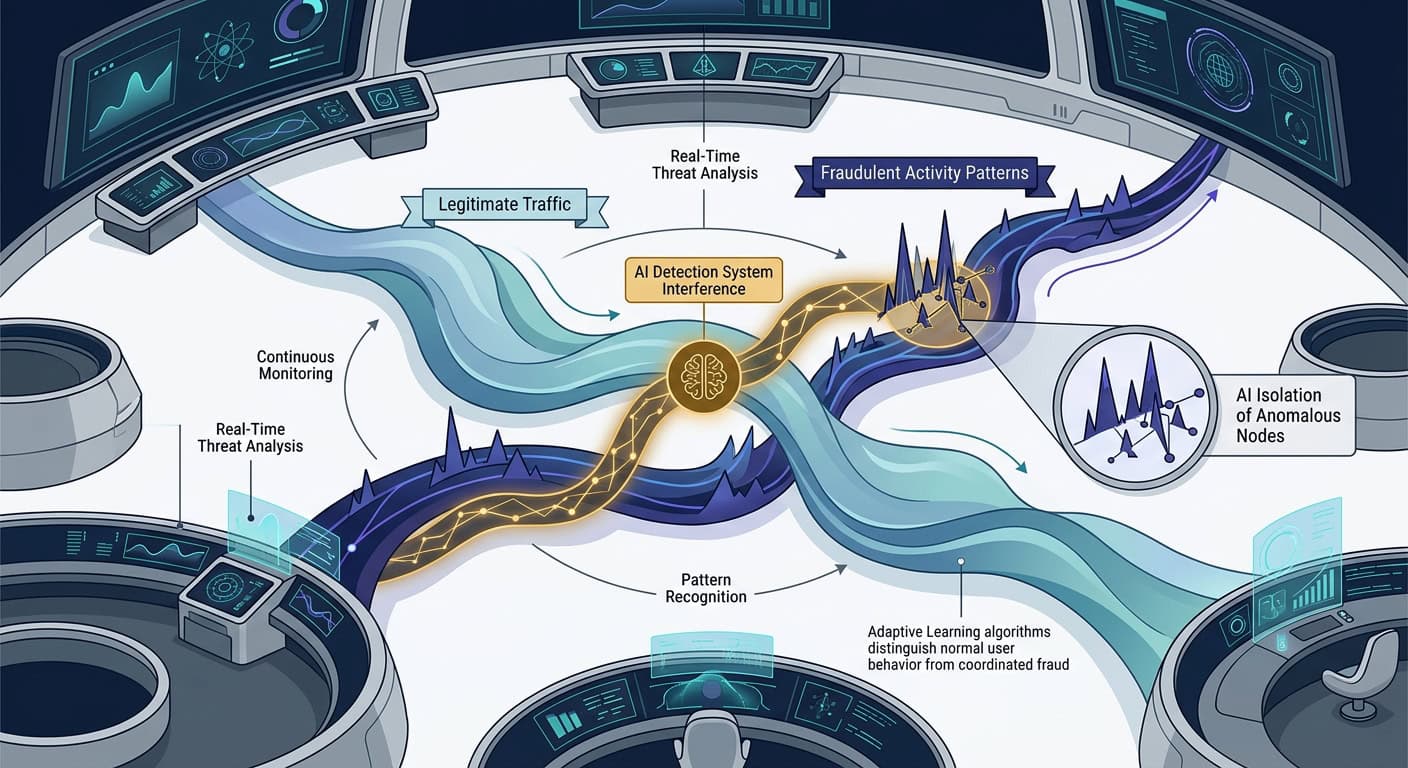
Looking ahead, several trends will shape affiliate fraud prevention through 2026 and beyond.
AI-versus-AI escalation will define the next phase of the fraud arms race. As fraudsters deploy increasingly sophisticated AI to generate synthetic traffic and fake conversions, detection systems must evolve to use AI pattern recognition that identifies subtle anomalies invisible to rule-based systems. The fraud detection platforms investing most heavily in machine learning (Anura, TrafficGuard, and Voluum’s AI optimization) will likely maintain the strongest detection rates.
Server-side tracking adoption will continue accelerating. With 67% of B2B firms already using server-side tracking and reporting significant data quality improvements, the shift away from cookie-based attribution is well underway. This transition will eliminate some traditional fraud vectors while creating new challenges around postback validation and server-to-server security.
Privacy regulation impact will increasingly affect how fraud detection operates. GDPR, CCPA, and emerging global privacy laws restrict how user data can be collected and processed, which complicates device fingerprinting and behavioral analysis. Fraud detection platforms that can maintain high accuracy while remaining compliant with privacy regulations will have a significant competitive advantage.
Blockchain-based attribution transparency is an emerging concept where affiliate clicks and conversions are recorded on an immutable ledger, making it impossible to retroactively alter attribution data. While still experimental, several startups are developing blockchain attribution solutions specifically for affiliate marketing.
Final Thoughts: Affiliate Marketing Fraud Prevention Guide
Affiliate fraud is a $3.4 billion problem that affects every participant in the affiliate ecosystem — advertisers lose budget, networks lose credibility, and legitimate affiliates lose commissions that are siphoned by fraudsters. The eight fraud types covered in this guide (click fraud, cookie stuffing, click injection, fake leads, ad stacking, attribution hijacking, conversion spoofing, and AI-generated synthetic traffic) represent the core threats active in 2026, but the landscape evolves constantly.
Effective prevention requires a combination of the right tools (Voluum, RedTrack, Anura, TrafficGuard, Fraudlogix, CAKE, or Everflow depending on your role and scale), systematic detection processes (layered analysis across traffic quality, conversion validation, behavioral patterns, and financial monitoring), and organizational discipline (manual vetting, tiered trust, clear policies, and regular audits).
The most important takeaway is that fraud prevention is not a one-time setup — it is an ongoing process that requires continuous monitoring, regular tool updates, and staying informed about emerging threats. The affiliates and program managers who invest in robust fraud prevention protect not just their current revenue but their long-term reputation and relationships in an industry projected to reach nearly $24 billion in 2026.