
Social media addiction is no longer a fringe concern. Around 210 million people worldwide are addicted to social media. In the United States alone, 33.19 million people meet the criteria for social media addiction. That is 10% of the American population.
Teens are the most affected group. The average US teen spends 4.8 hours per day on social media. 82% of Gen Z adults believe they are addicted. And the mental health effects are well documented.
This article covers every major social media addiction statistic for 2026. You will find data on global addiction numbers, demographics, teen usage, mental health effects, and country-level breakdowns. Every figure comes from a credible source.
Content Outline
Key Social Media Addiction Statistics at a Glance
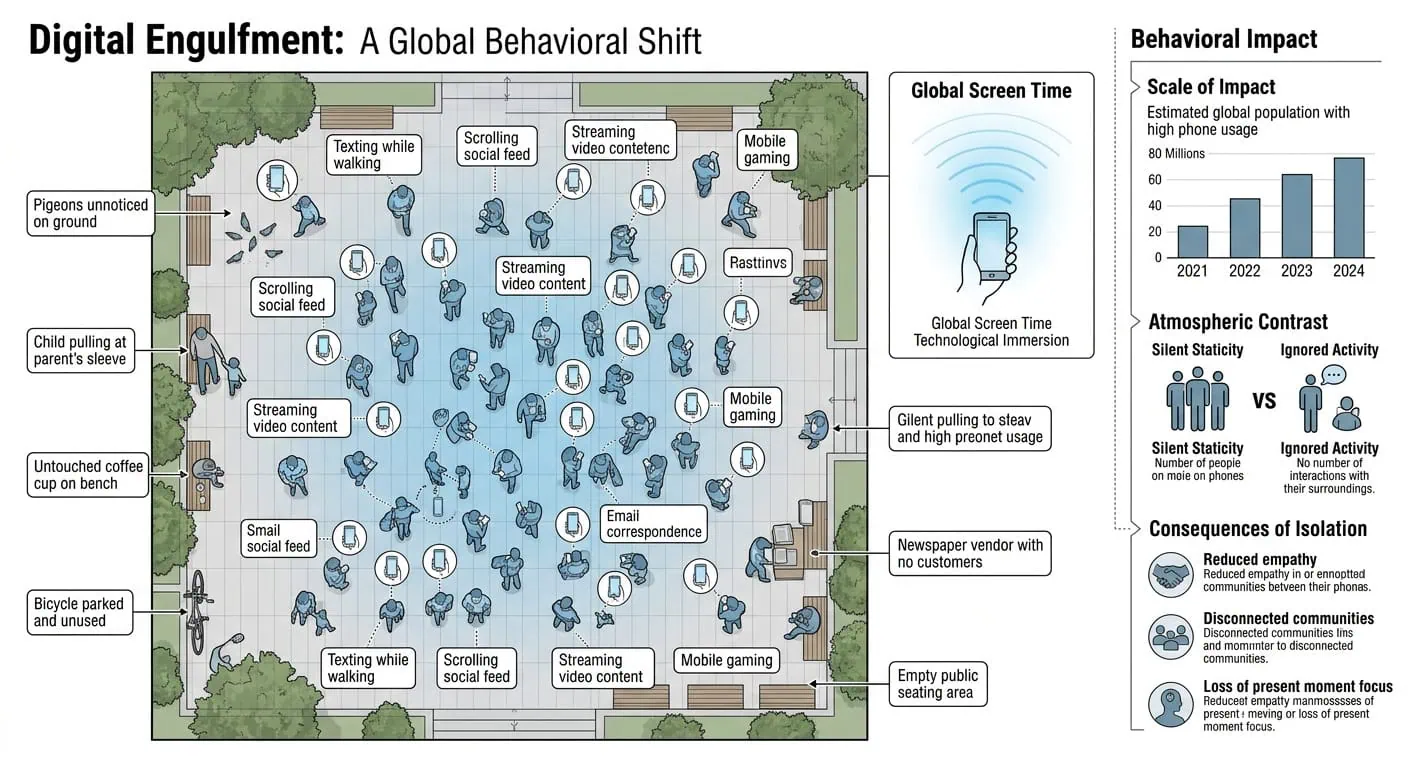
Metric | Value | Source |
Global social media users | 5.41 billion | Data Reportal |
People addicted to social media globally | ~210 million | Texas A&M University |
Americans addicted to social media | 33.19 million (10%) | California State University |
Average daily social media usage (global) | 2 hours 19 minutes | Data Reportal |
US teen average daily social media time | 4.8 hours | Gallup / Exploding Topics |
Gen Z adults who believe they are addicted | 82% | The Harris Poll |
Teens who admit excessive usage | 36% | Pew Research |
College students who report addiction | 60%+ | Brighter Strides |
Heavy use linked to depression risk increase | 66% higher | Cropink |
How Many People Are Addicted to Social Media
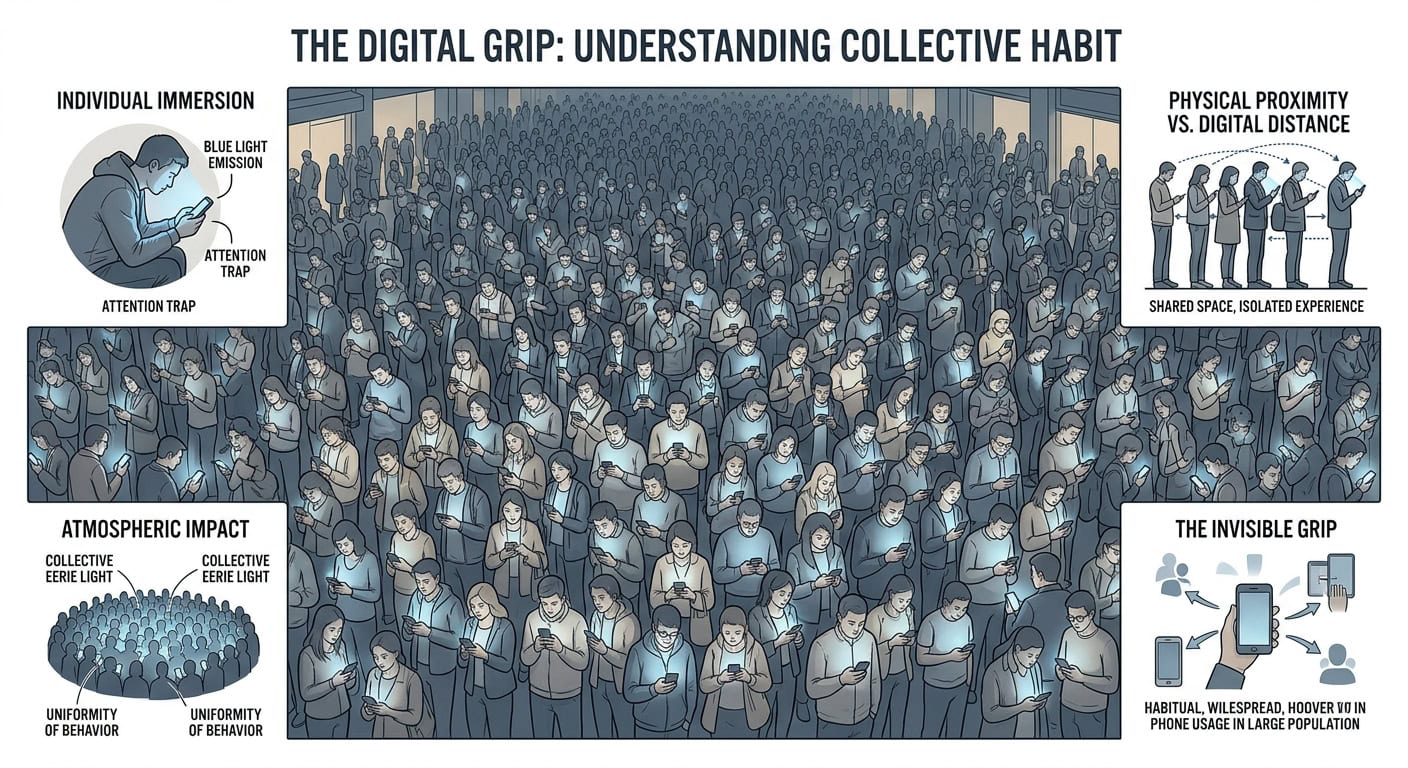
About 210 million people worldwide are affected by social media and internet addiction (Texas A&M University). With 5.41 billion social media users globally, that means roughly 1 in 26 users shows addictive behaviour.
In the United States, around 33.19 million people are addicted to social media. That is 10% of the population (California State University, Addiction Help). Nearly 30% of American adults say they feel addicted, even if they don’t meet clinical criteria (Addiction Help).
The addiction is driven by dopamine feedback loops, fear of missing out (FOMO), and the need for personal validation. Constant accessibility and social pressure make it difficult for many to disconnect.
Social Media Addiction by Age Group
Social media addiction is most common among young adults. Here is how it breaks down by age.
Age Group | Share Addicted |
18 to 22 years | 40% |
23 to 38 years | 37% |
39 to 54 years | 26% |
55 to 64 years | 21% |
Source: ThinkNow
The 18-to-22 age group has the highest addiction rate at 40%. This age group makes up a large share of all Americans addicted to social media. Over 60% of US college students report being addicted to social media (Brighter Strides).
Among Gen Z (born 1997 to 2012), 94% are active on social media. They spend an average of 2 hours and 43 minutes per day on social platforms. 50% check in daily. The typical Gen Z person spends over 10.6 hours connected to the internet each day (Business Dasher, Data Reportal).
82% of Gen Z adults believe they are addicted to social media (The Harris Poll). 47% spend 2 to 4 hours per day on these platforms. 22% spend seven or more hours daily.
83% of Gen Z adults have taken steps to reduce their usage. Common actions include unfollowing accounts (42%), deleting apps (40%), and disabling notifications (36%) (The Harris Poll).
Social Media Addiction by Gender
Women are more affected than men across the board.
Globally, 32% of women and 6% of men are addicted to social media. In the United States, 34% of women and 26% of men report addiction (Addiction Help).
Women tend to use social media more for social connections, emotional expression, and community building. Cultural pressures, targeted content, and the need for validation further drive higher engagement among women.
Social Media Addiction by Race (United States)
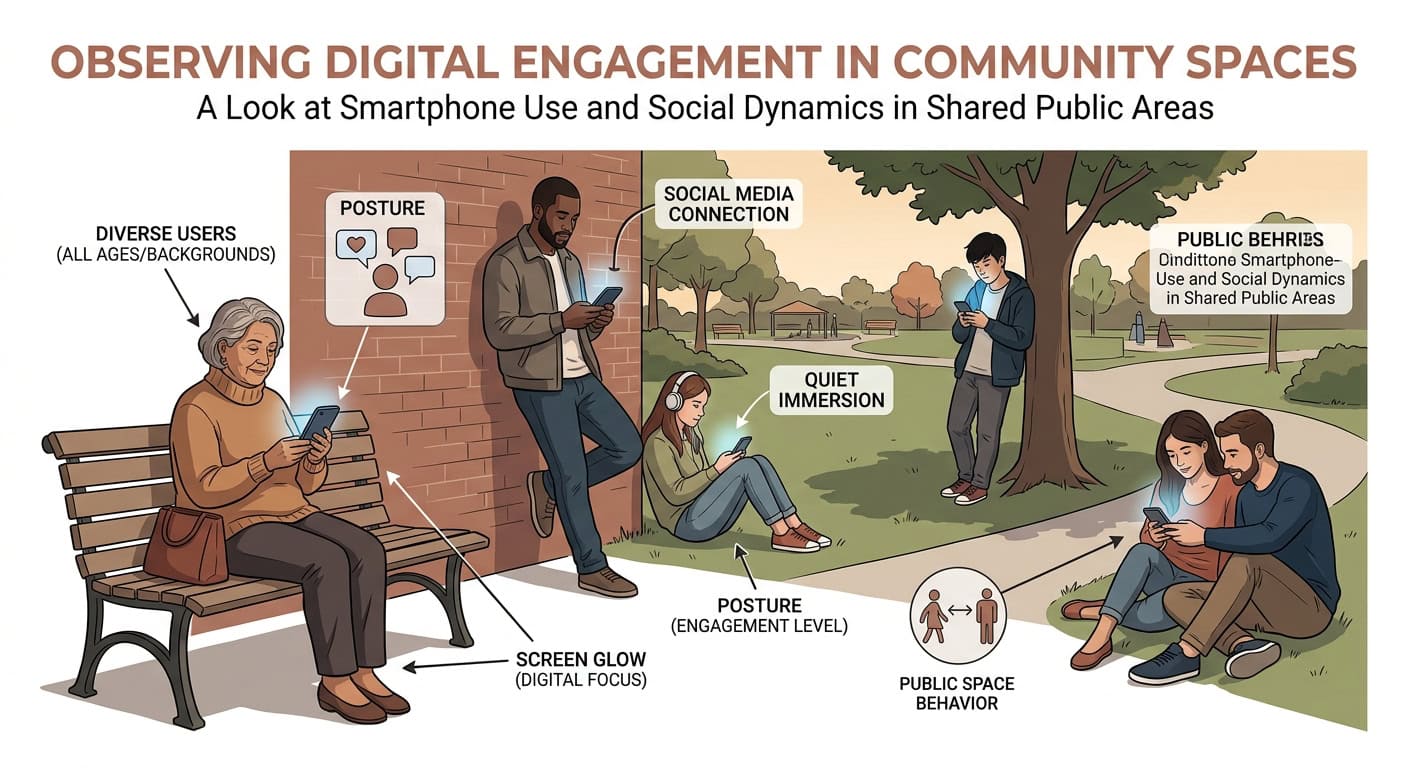
Race | Share Addicted |
White Americans | 32% |
Hispanic Americans | 29% |
Asian Americans | 27% |
African Americans | 25% |
Source: ThinkNow
White Americans show the highest rate at 32%. This may be linked to greater access to technology, cultural exposure, and higher engagement with social platforms.
Social Media Addiction Among Teens and Children
Teens are one of the most vulnerable groups. Nearly 97% of teenagers use at least one popular social media platform like Instagram, TikTok, or Snapchat (News@TheU).
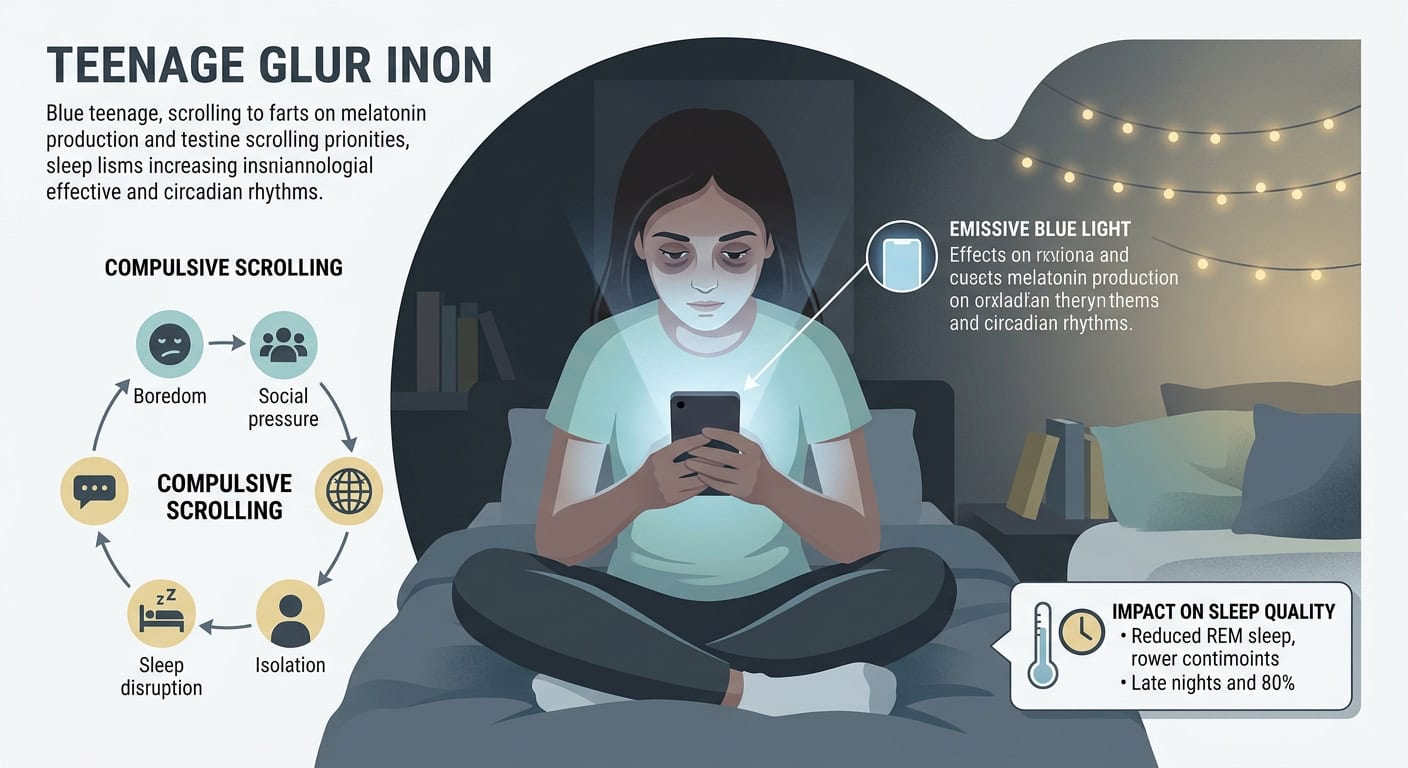
The average US teen spends 7 hours and 22 minutes looking at screens each day (Exploding Topics). Of this, 4.8 hours is specifically on social media (Gallup). Teens aged 17 spend the most time, averaging 5.8 hours daily on screens, with 62% using screens for at least 4 hours every day (SQ Magazine).
36% of teens acknowledge spending excessive time on social media. Among these, 41% of girls feel they spend too much time compared to 31% of boys (Pew Research).
Screen Time by Age and Gender
Age Group | Females | Males | Average |
16 to 24 years | 2 hrs 59 min | 2 hrs 38 min | 2 hrs 48 min |
25 to 34 years | 2 hrs 46 min | 2 hrs 30 min | 2 hrs 38 min |
35 to 44 years | 2 hrs 22 min | 2 hrs 15 min | 2 hrs 18 min |
45 to 54 years | 2 hrs 04 min | 1 hr 51 min | 1 hr 57 min |
55 to 64 years | 1 hr 47 min | 1 hr 33 min | 1 hr 40 min |
Source: Data Reportal, Grove Treatment
Roughly 95% of kids aged 10 to 17 are using social media constantly (University of Colorado, Anschutz). 41% of teenagers spend over 8 hours on screens each day (DemandSage).
36% of teens have taken intentional breaks from social media. 32% have deleted apps due to overuse. 24% removed apps because of negative effects on mental health or self-esteem (Data Reportal).
Mental Health Impact
The connection between social media use and mental health problems is supported by extensive research.
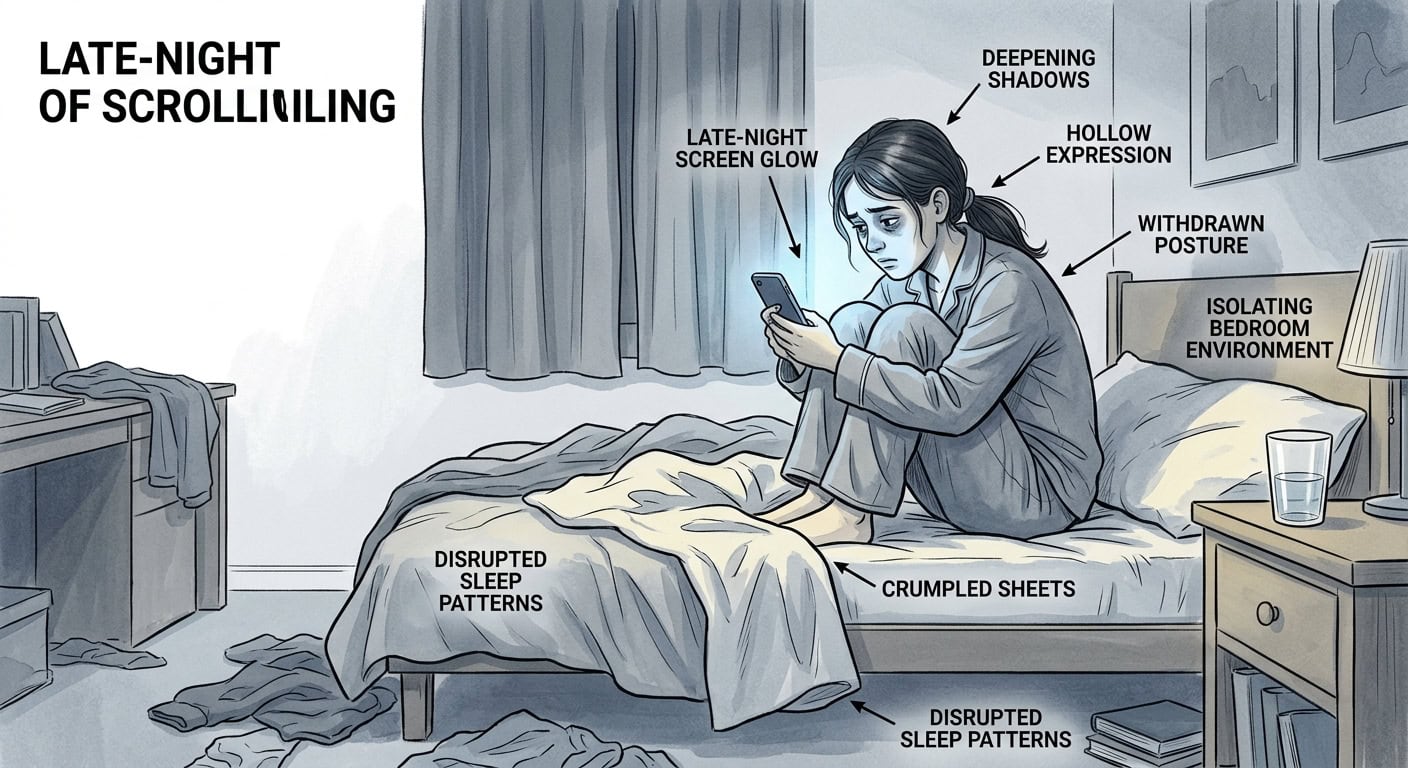
Heavy social media use is linked to a 66% higher risk of depression. Teens who use social media for 5 or more hours daily are 2.8x more likely to develop depression (Cropink).
48% of teens who spend 5 or more hours daily on electronic devices exhibit at least one suicide risk factor. This compares to 33% of teens who spend only 2 hours daily (Sage Journals).
A 2025 Pew survey found that 44% of US parents identified social media as the single most negative influence on teen mental health (World Happiness Report 2026). The 2026 World Happiness Report links heavy social media use to declining well-being among young people, especially teenage girls in Western countries.
Physical and Psychological Effects
A study by the National Center for Biotechnology Information (NCBI) found these effects among social media addicts:
Physical symptoms include eye strain (38.4%), neck pain (30.7%), and sleep disturbances (26.1%). Psychological effects include anger (25.5%) and depression. 10.1% of social media addicts also engage in unhealthy behaviours like smoking and drinking (.
Users who spend 3 or more hours daily on social media are more likely to experience negative feelings about their social well-being. 33% of heavy users report feeling like they are missing out or comparing themselves to others. Only 20% of light users (1 hour or less) report the same (Lululemon Global Wellbeing Survey).
78% of people use social media before bed, which leads to disrupted sleep patterns (Cropink). Nearly 40% of adults admit social media makes them feel lonely or isolated.
Over 50% of teenagers report feeling anxious or depressed after using social media. Cyberbullying increases depression rates by 70% among affected teens (Cropink).
54% of Americans reported seeing mental health misinformation on social media at least weekly. 27% experienced stress or anxiety because of it (SQ Magazine).
Social Media Addiction by Country
Countries with the highest average daily social media usage:
Country | Daily Usage Time |
Nigeria | 4 hrs 49 min |
Philippines | 4 hrs 01 min |
South Africa | 3 hrs 56 min |
Brazil | 3 hrs 47 min |
Colombia | 3 hrs 41 min |
Ghana | 3 hrs 32 min |
Argentina | 3 hrs 32 min |
Mexico | 3 hrs 26 min |
Kenya | 3 hrs 25 min |
Indonesia | 3 hrs 19 min |
Nigeria leads the world with nearly 5 hours of daily social media usage. The Philippines follows at just over 4 hours. Developing countries tend to show higher usage as mobile-first internet access makes social media the primary gateway to the digital world.
Why People Use Social Media (and Why It Becomes Addictive)
On average, 35.1% of all online time is dedicated to social media (Data Reportal). The average user interacts with more than 6 platforms (Data Reportal).
Reason | Share of Users |
Keeping in touch with friends and family | 51.5% |
Filling spare time | 39.0% |
Reading news | 34.4% |
Finding content (articles, videos) | 30.4% |
Seeing what’s being talked about | 29.1% |
Finding products to purchase | 26.9% |
Finding inspiration | 26.7% |
Watching live streams | 23.7% |
Watching or following sports | 23.5% |
Source: Data Reportal
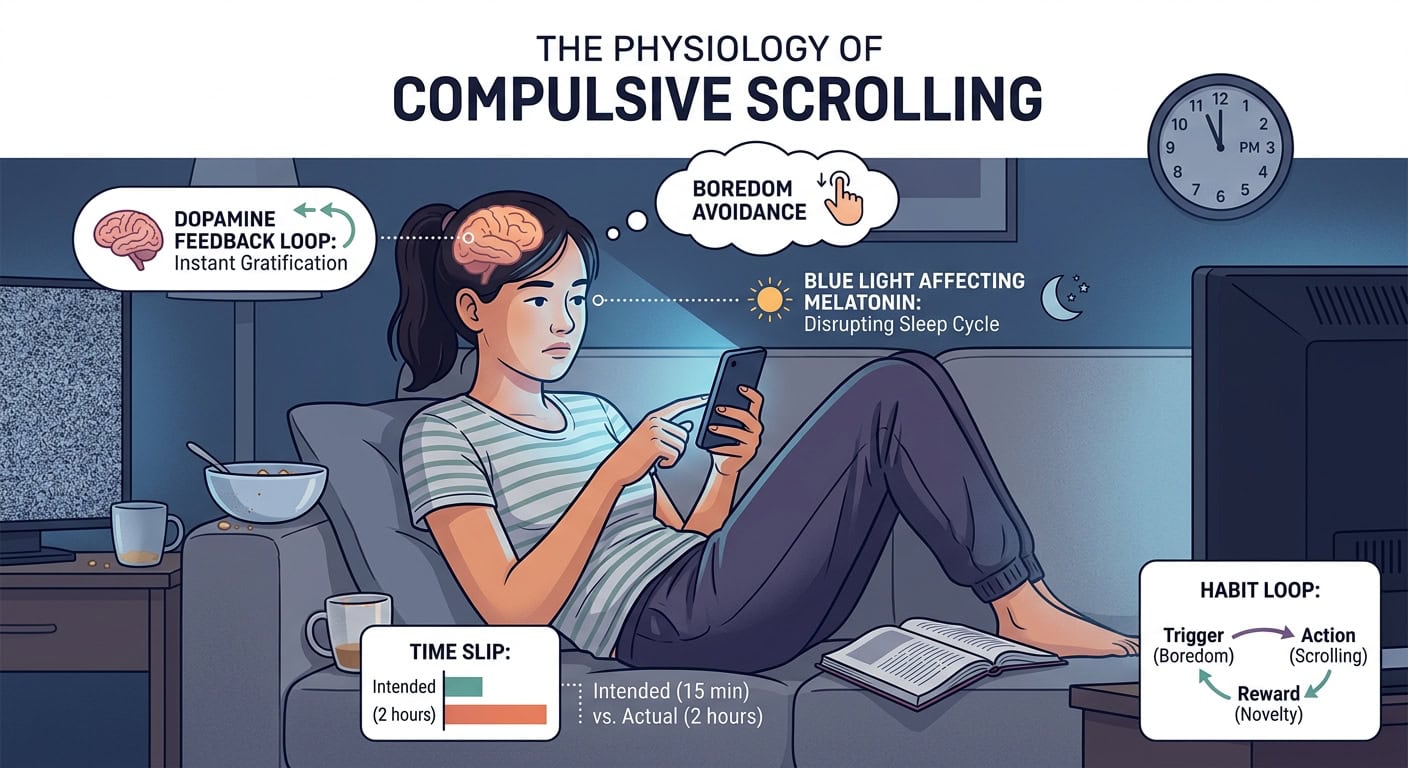
The top reason is staying connected with friends and family (51.5%). But the second biggest reason is filling spare time (39%). This idle-time usage is a primary driver of addiction because it forms a habit loop. Users scroll with no clear purpose, and the algorithms keep feeding engaging content.
Social Media Platforms and Their Impact
Facebook negatively impacts 12.5% of its user base. With 3.07 billion users, that means over 383 million people face disruptions to work, sleep, or parenting (Business Insider).
Instagram has been linked to low self-esteem and anxiety, particularly among young women. It is the most preferred social media platform by 16.7% of users (Data Reportal, DemandSage).
TikTok is a growing concern. 62% of Gen Z use TikTok to find local businesses, and the platform’s short-form video algorithm is specifically designed to maximise time spent (Backlinko, BrightLocal).
What People Are Doing About It
41% of Gen Z cite wasting too much time as the primary reason for quitting social media. 35% mention overwhelming negativity. 17% say social media makes them feel bad about themselves (Hill Holiday).
72% of Gen Z adults think their generation spends too much time on social media. 58% are actively trying to reduce consumption (Hill Holiday).
Among teens, 36% have taken intentional breaks. 32% have deleted apps. 24% removed apps due to mental health concerns (Data Reportal).
Psychologists estimate that 5% to 10% of Americans meet the clinical criteria for social media addiction (California State University). 1 in 4 people agree that they feel addicted (Cropink).
FAQs
How many people are addicted to social media in 2026?
About 210 million people globally. In the US, 33.19 million people (10% of the population) are addicted to social media
Which age group is most addicted to social media?
18-to-22-year-olds have the highest addiction rate at 40%. 82% of Gen Z adults believe they are addicted. Over 60% of US college students report addiction
How much time do teens spend on social media daily?
US teens average 4.8 hours per day on social media and 7 hours 22 minutes total screen time. Teens aged 17 average 5.8 hours on screens daily
Does social media cause depression?
Heavy use is linked to a 66% higher risk of depression. Teens spending 5+ hours daily are 2.8x more likely to develop depression. 48% of heavy-user teens exhibit at least one suicide risk factor (
Which country has the highest social media usage?
Nigeria leads with 4 hours 49 minutes per day, followed by the Philippines at 4 hours 1 minute and South Africa at 3 hours 56 minutes
What are the physical effects of social media addiction?
Common effects include eye strain (38.4%), neck pain (30.7%), sleep disturbances (26.1%), and anger or irritability (25.5%). 78% of users check social media before bed, disrupting sleep patterns
Quick Links