
Content Outline
A Study Released Yesterday Changes the Narrative
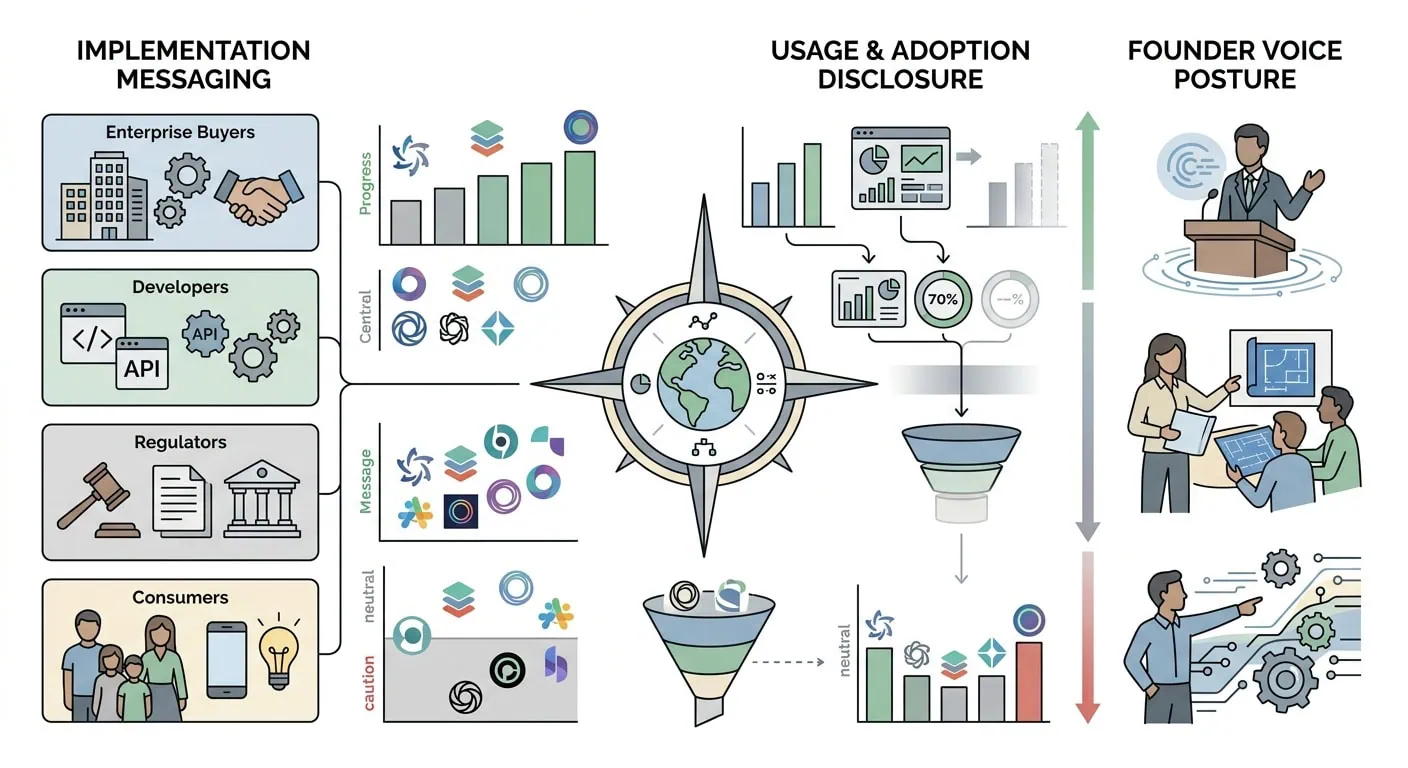
A brand new study released on May 28 — literally yesterday — by communications firm 5WPR benchmarks how the fifteen leading AI companies actually communicate with enterprise buyers, developers, regulators, and consumers. It is the first structured analysis of its kind and it reveals something that pure product benchmarks miss entirely: how a company talks about its AI is becoming as important as what the AI can actually do.
5WPR released The AI Company Comms Study 2026, the first structured benchmark of how fifteen leading AI companies communicate implementation, disclosure, and adoption. The study evaluates OpenAI, Anthropic, xAI, Google DeepMind, Microsoft AI, Meta AI, Perplexity, Mistral, Cohere, Character AI, Stability AI, Runway, Midjourney, Inflection AI, and Hugging Face across three dimensions: implementation messaging, usage and adoption disclosure, and founder voice posture.
Why Communication Strategy Is Now a Revenue Driver
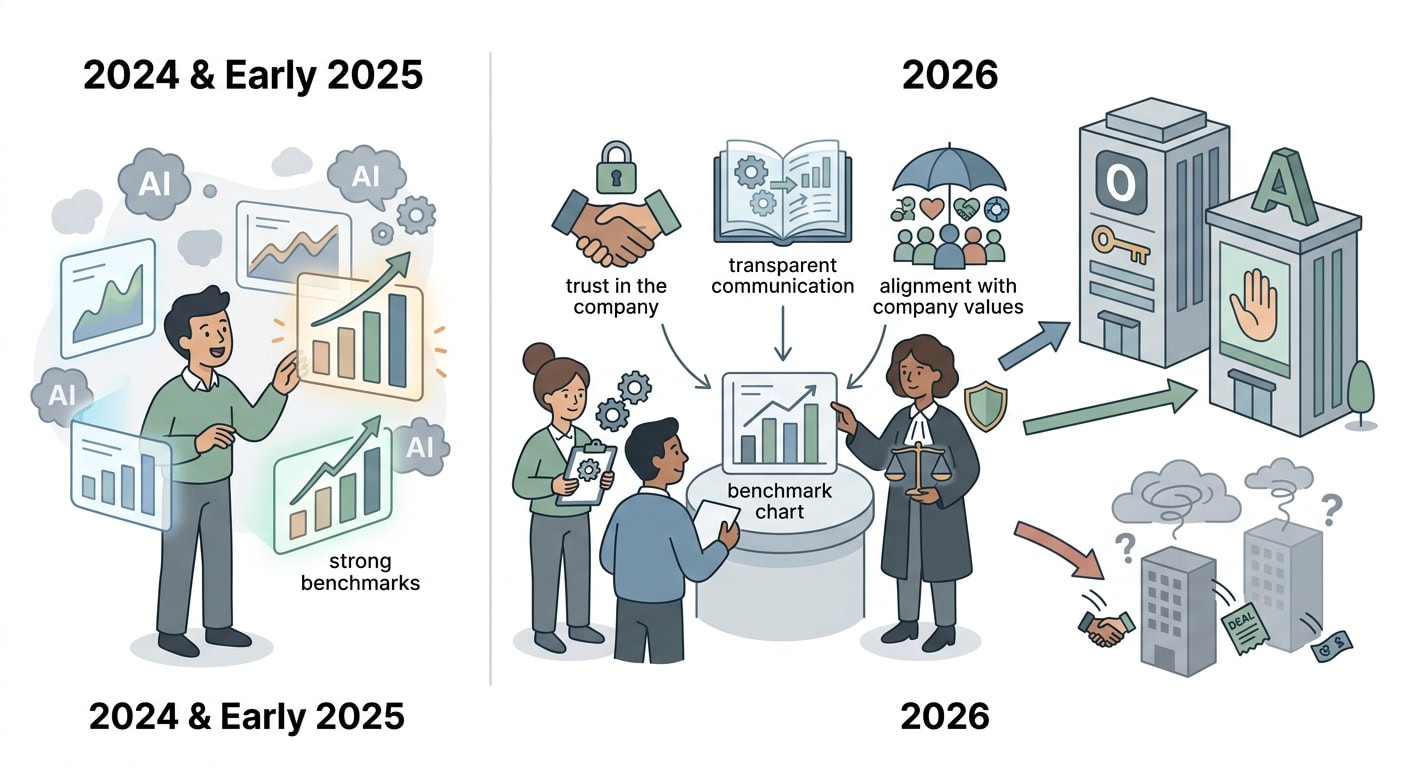
In 2024 and early 2025, enterprise buyers were willing to experiment with any AI tool that showed strong benchmarks. In 2026, the market has matured. Procurement teams, legal departments, and boards are involved in AI tool decisions. These buyers are not evaluating models on benchmark charts alone — they are evaluating whether they trust the company building the model, whether the company communicates transparently about limitations and risks, and whether the company’s values align with their own.
OpenAI and Anthropic dominate AI revenue according to the study — not just because their models are capable, but because their communication strategies have built enterprise trust at scale. Companies that communicate vaguely about implementation details or avoid transparent disclosure are losing enterprise deals to competitors that communicate clearly, even when their product benchmarks are comparable.
What This Means for Affiliate Marketers Promoting AI Tools
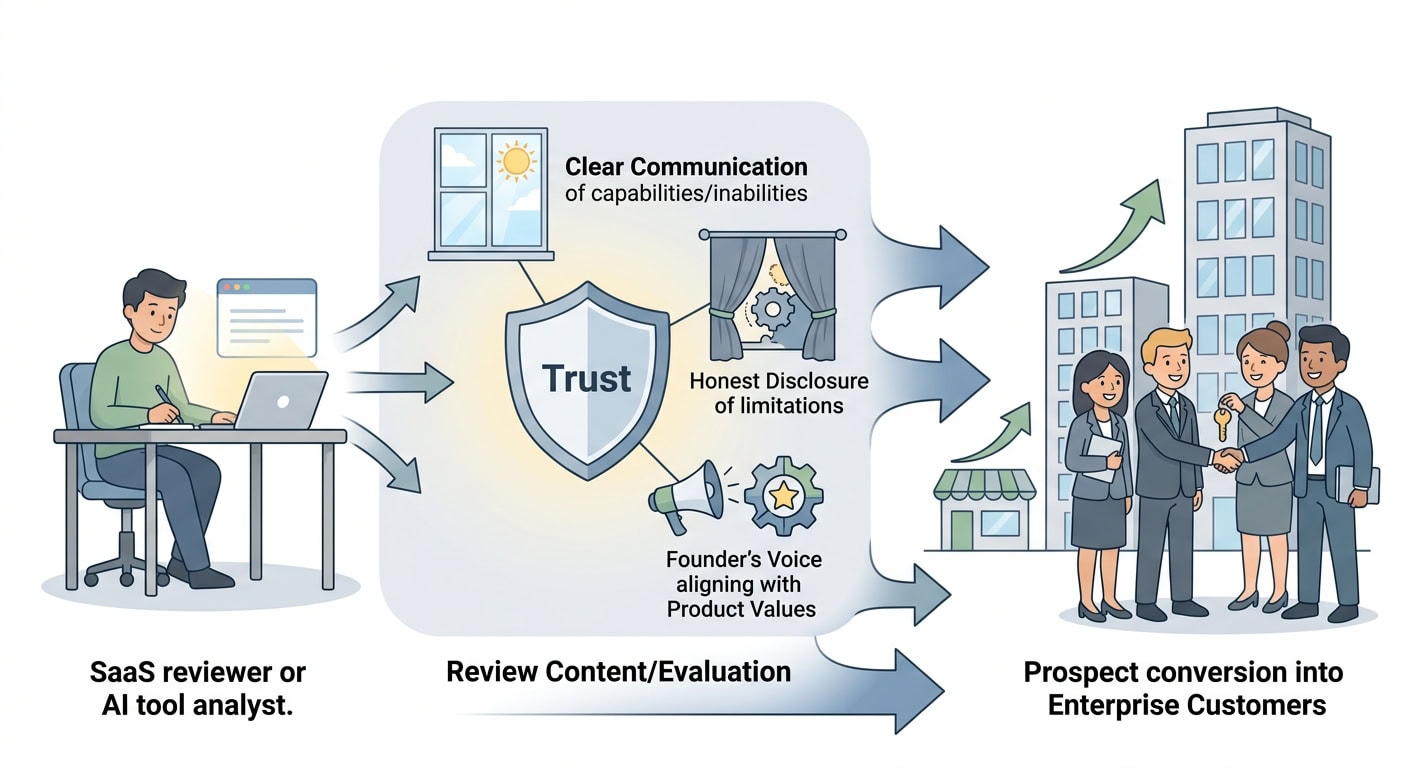
If you write SaaS reviews or AI tool comparisons, this study is directly relevant to how you evaluate and present products. The dimension your readers actually care about — beyond features and pricing — is trust. Does this company communicate clearly about what their AI can and cannot do? Do they disclose limitations honestly? Is their founder voice coherent with their product values?
These are the questions that convert readers into buyers, and the study confirms that they are also the questions that convert prospects into enterprise customers at every scale. Building trust-first AI tool content is not just editorially sound — it is commercially aligned with how the market is actually making decisions right now.
The Broader Signal
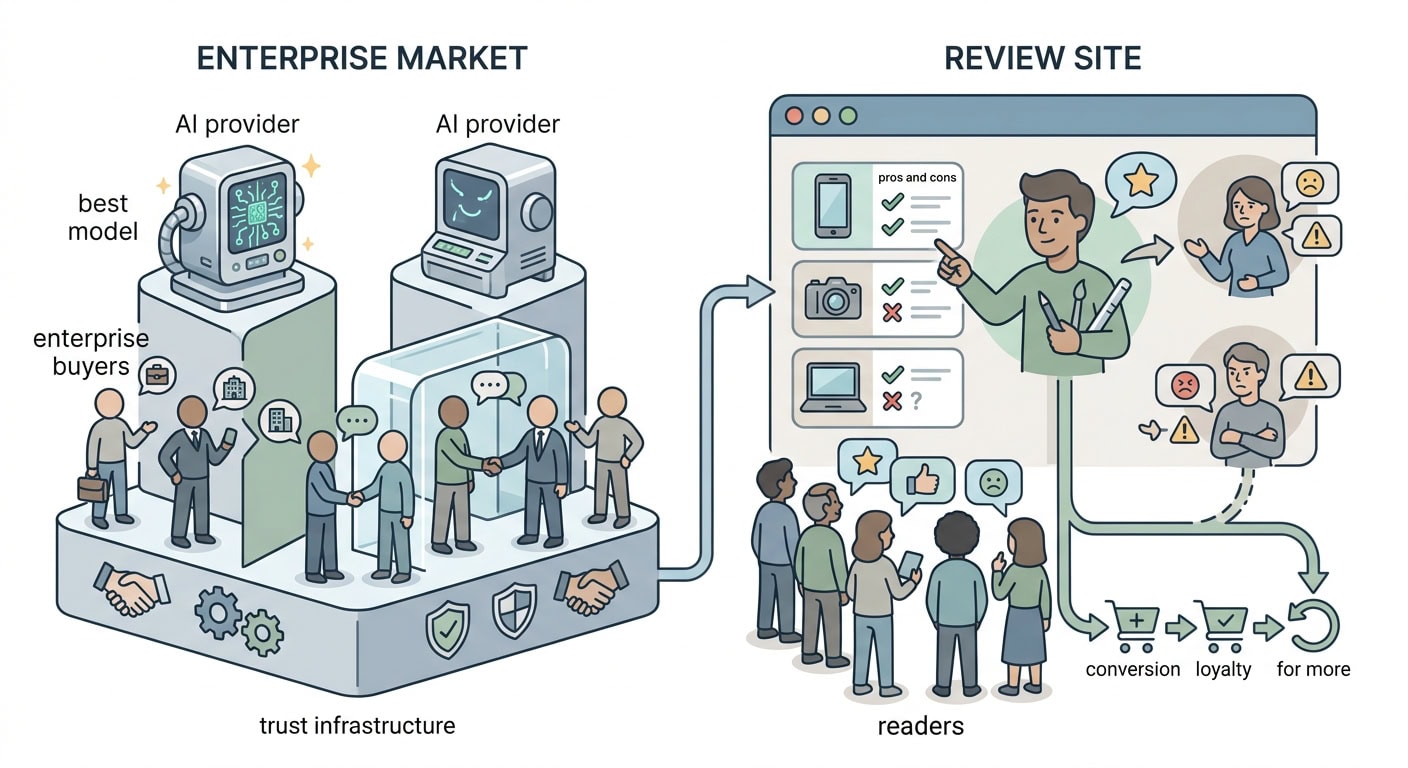
The AI company that wins the enterprise market in 2026 and beyond is not necessarily the one with the best model — it is the one that enterprise buyers trust most. Communication is trust infrastructure. The same principle applies to affiliate publishers: the review site that communicates most honestly about product limitations and trade-offs is the one readers trust, return to, and convert through.
💬 Reddit — r/artificial discussions on OpenAI vs Anthropic trust and positioning: 🔗 https://www.reddit.com/r/artificial/search/?q=OpenAI+Anthropic+trust+enterprise
🐦 X/Twitter — AI company communication and enterprise trust debates: 🔗https://x.com/search?q=OpenAI+Anthropic+communication+enterprise+2026&f=live
💬 Quora — which AI company do enterprises trust most in 2026: 🔗https://www.quora.com/search?q=which+AI+company+enterprises+trust+most+2026
Quick Links: