
The financial technology revolution has fundamentally transformed how people save, spend, invest, and borrow money. According to a February 2026 report published on Fidelity, the global buy now pay later market alone is valued at $48.7 billion in 2026 and projected to reach $212.2 billion by 2033, expanding at a CAGR of 23.4%. The broader BNPL gross merchandise volume has hit approximately $560 billion as of 2025, per Chargeflow statistics. Meanwhile, 91.5 million American consumers now use BNPL services, a figure that grew 6.92% year-over-year.
But BNPL is just one slice of the fintech affiliate opportunity. The entire digital payments, neobanking, cryptocurrency trading, robo-advisory, and personal finance category has created a massive addressable market for affiliate marketers. According to eMarketer, BNPL accounted for roughly 7% of all US online spending on Cyber Monday 2025 alone, hitting $1.03 billion in a single day. This is not a niche — it is a mainstream consumer behavior pattern that is still growing rapidly.
For affiliate marketers, fintech programs are uniquely attractive because the products have zero marginal cost for the provider once a user signs up. This means fintech companies can afford generous CPAs and revenue share arrangements. eToro pays up to $200 per qualified deposit in Tier 1 countries. Robinhood offers $5-$200 per user depending on the action. Crypto exchanges like Binance pay up to 50% lifetime commission on trading fees. These are some of the most generous affiliate payouts in any vertical.
This guide covers the 20 best fintech and BNPL affiliate programs for 2026, organized by subcategory with verified commission rates, cookie durations, and practical earning strategies.
Content Outline
The Fintech Affiliate Landscape in 2026
The fintech space spans multiple subcategories, each with distinct affiliate program characteristics. Payment and BNPL platforms like Klarna, Affirm, Afterpay, and PayPal Pay Later typically operate on CPA models where affiliates earn for each new user acquisition or completed purchase. Neobanks and digital banks like Chime, Revolut, and SoFi offer flat-rate CPAs for qualified account openings.
Investment platforms like Robinhood, eToro, M1 Finance, and Acorns combine CPA models for funded accounts with occasional revenue-share arrangements. Credit monitoring and repair services like Credit Karma, Experian, and Credit Sesame pay per lead or per sign-up. Finally, international money transfer services like Wise (formerly TransferWise) pay per completed transfer or per new user.
What unites all these programs is the underlying economics: fintech companies have extremely high customer lifetime values. A Klarna user who continues using BNPL for years generates hundreds of dollars in merchant fees for the company. A Robinhood user who deposits funds and trades regularly generates trading revenue for decades. This is why these companies can afford to pay $50-$200 per acquisition — the payback period is very short relative to lifetime customer value.
The regulatory environment also plays a role. In the United States, fintech affiliates must be mindful of FICO score inclusion changes (FICO will start including BNPL data in credit scores starting late 2025, as reported by CNBC in April 2026), state-specific lending regulations, and advertising disclosure requirements. Affiliates promoting credit products must include proper APR disclosures and not make misleading claims about approval rates.
20 Best Fintech & BNPL Affiliate Programs Comparison
Fintech Platform | Subcategory | Commission | Cookie Duration | Payment Method |
eToro | Trading/Investing | Up to $200 CPA | 30 days | Wire/PayPal |
Binance | Crypto Exchange | Up to 50% lifetime | Permanent | Crypto/Wire |
Wise (TransferWise) | Money Transfer | Up to $30/referral | 30 days | Bank Transfer |
Klarna | BNPL | $3-$45/lead | 30 days | Varies |
Affirm | BNPL | $10-$25 CPA | 30 days | Via network |
Robinhood | Investing | $5-$200/account | 30 days | Direct Deposit |
Chime | Neobank | ~$10/qualified signup | 30 days | Via Impact.com |
Credit Karma | Credit Monitoring | $0.25-$2/signup | 45 days | Via Yazing |
Coinbase | Crypto Exchange | 50% first 3 months | 30 days | Crypto/Bank |
Acorns | Micro-Investing | $12-$20/funded account | 30 days | PayPal |
SoFi | Multi-product | $50-$100/product | 30 days | Via Impact.com |
Experian | Credit Reports | 20% revenue share | 30 days | CJ/Impact |
M1 Finance | Robo-Advisory | $50-$70/funded account | 30 days | Via Impact.com |
Sezzle | BNPL | Varies by merchant | 30 days | Via network |
Cash App | Payments/BNPL | $5-$10/user | 30 days | Direct |
Revolut | Neobank | €5-€15/verified user | 30 days | Bank Transfer |
Credit Sesame | Credit Monitoring | $5-$12/lead | 30 days | CJ Affiliate |
Upgrade | Personal Loans | $60/funded loan | 30 days | Via CJ |
Empower | Personal Finance | $15-$25/download | 30 days | Via Impact.com |
NerdWallet | Finance Comparison | Varies by product | 30 days | Commission Junction |
Best Fintech & Buy Now Pay Later Affiliate Programs
Klarna
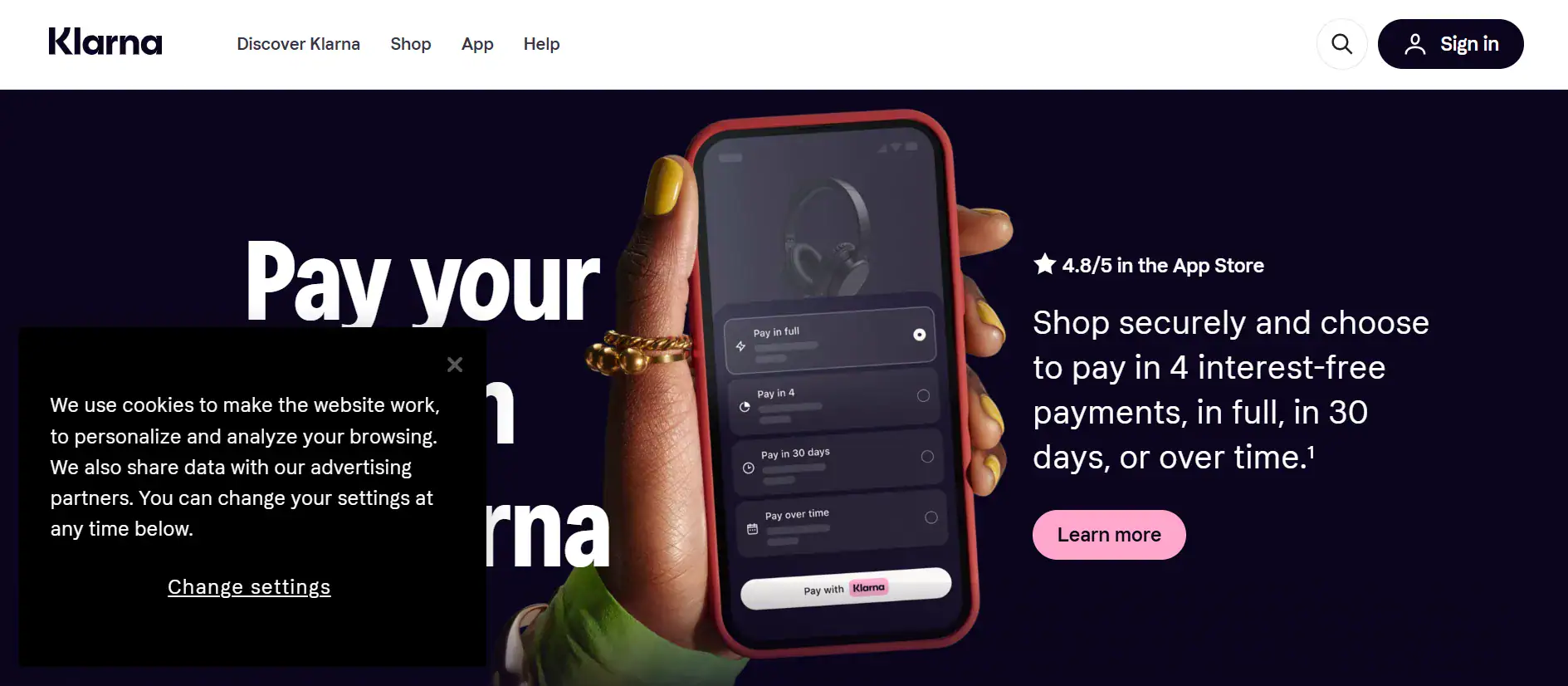
It is the global BNPL leader with over 150 million active users and partnerships with 500,000+ merchants. Their affiliate program pays $3 to $45 per lead depending on the geography and the specific product promoted. Klarna offers three payment options to consumers: Pay in 4 (split into four interest-free payments), Pay in 30 (full payment due in 30 days), and Monthly Financing (longer-term with potential interest). The variety of products means affiliates can match different Klarna solutions to different content angles, from shopping guides to financial literacy articles. Klarna generated $2.8 billion in revenue in 2024, making it the highest-revenue BNPL provider globally according to Business of Apps.
Affirm
operates primarily in the United States and pays $10-$25 CPA per qualified action through affiliate networks including CJ Affiliate and Rakuten. Affirm’s differentiator is its integration with major retailers like Amazon, Walmart, and Target, which gives affiliates strong brand names to reference in promotional content. Affirm has 0% APR options for qualifying purchases, and for longer financing terms, rates range from 0% to 36% APR. The affiliate program is particularly effective when combined with content about major retail events like Black Friday, Amazon Prime Day, or back-to-school shopping, where BNPL usage spikes dramatically.
Afterpay
It (now integrated into Cash App through Block Inc.) provides a straightforward “Pay in 4” model with automatic deductions every two weeks. The program pays through various affiliate networks. What makes Afterpay interesting for affiliates is its acquisition by Block and integration with Cash App, which has expanded its user base to include the broader Cash App ecosystem of over 55 million monthly active users.
Investment Platform Programs Deep Dive
eToro
stands as one of the highest-paying fintech affiliate programs globally, offering up to $200 CPA per qualified depositing customer in Tier 1 geographies (US, UK, Australia, Germany). The tiered CPA structure means payouts are lower for Tier 2 and Tier 3 countries, but the volume opportunity in emerging markets can still be substantial. eToro’s social trading features — which allow users to copy the portfolios of successful traders — provide a unique angle for affiliate content. Articles and videos showing how social trading works, with specific examples of trader performance, tend to convert well.
Robinhood
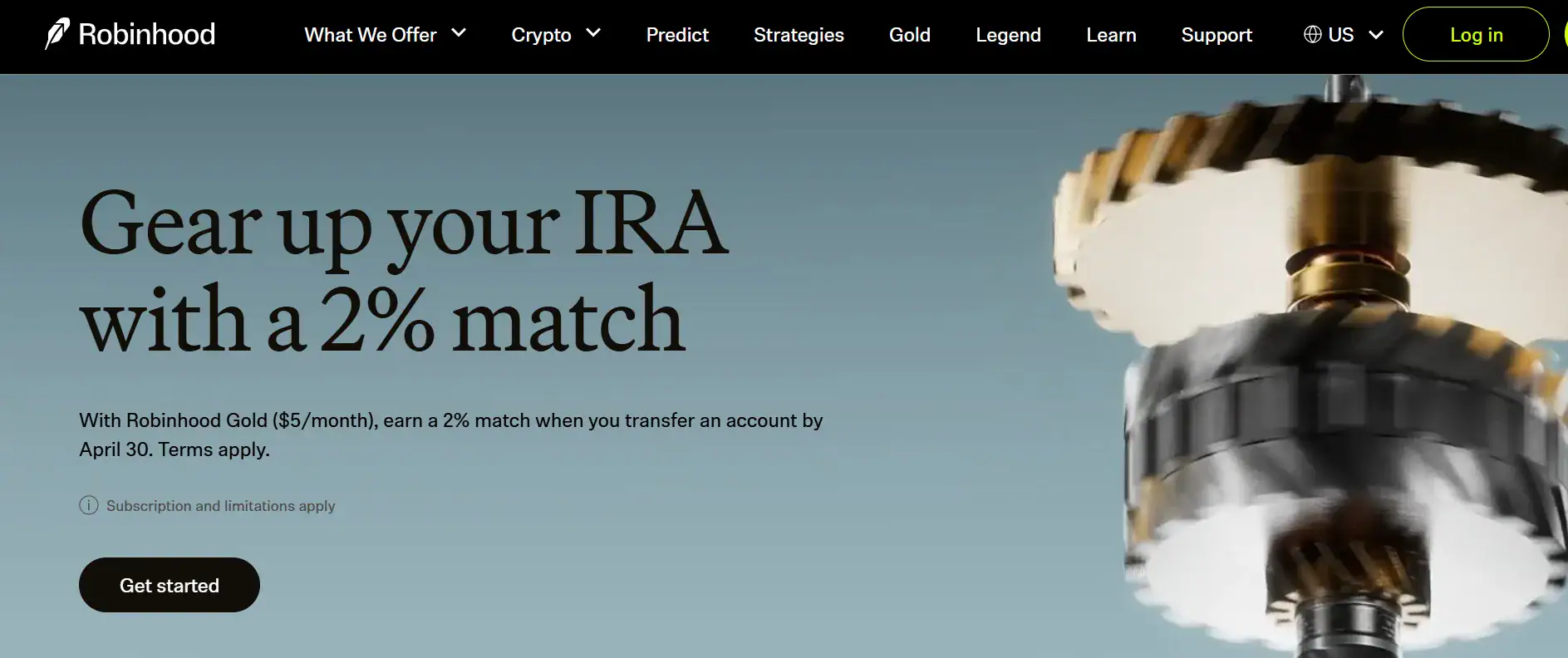
It democratized stock trading with commission-free transactions and has built a massive brand among millennial and Gen Z investors. Their affiliate program at affiliates.robinhood.com pays $5 per lead and $20 per funded account, though some sources report payouts up to $200 for high-value depositing users. The 30-day cookie duration is standard for the industry. Robinhood’s brand recognition makes it relatively easy to convert — most people who click an affiliate link already know what Robinhood is, which significantly shortens the consideration phase.
Coinbase
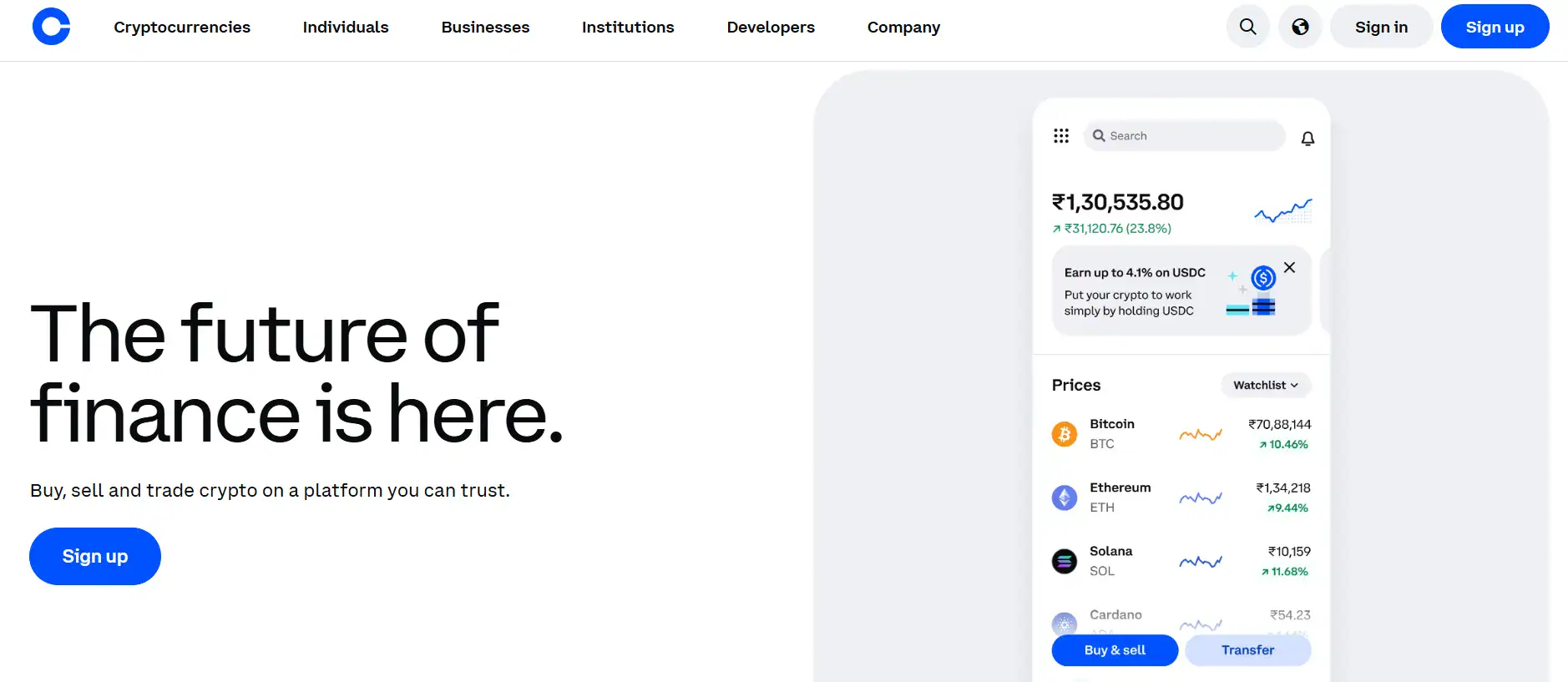
It offers one of the most aggressive short-term commission structures in crypto: 50% commission for the first three months after a referral signs up and starts trading. Given that active crypto traders can generate significant fee revenue, a single referred power user can generate hundreds of dollars in commissions over those three months. Coinbase supports over 250 coins and has a strong reputation as the most regulated, publicly-traded crypto exchange in the United States.
Acorns
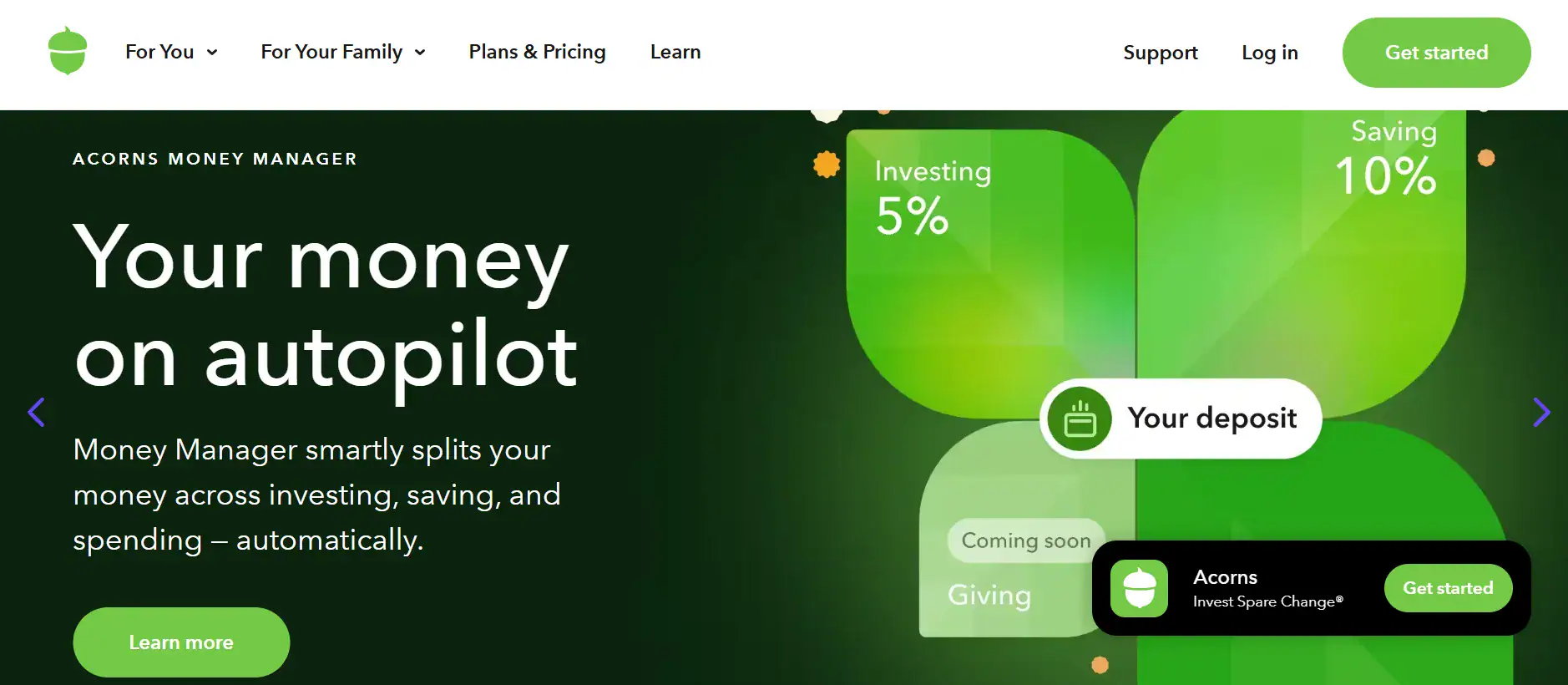
It targets a different segment — the micro-investing and financial literacy audience. Their affiliate program pays $12-$20 per funded account, which is achieved when a referred user connects their bank account and begins automatic round-up investing. Acorns’ subscription fees range from $3 to $12 per month, making it very affordable for the target demographic. Content targeting college students, young professionals, or people just starting their investment journey converts particularly well for Acorns.
Neobank and Digital Banking Programs
Chime
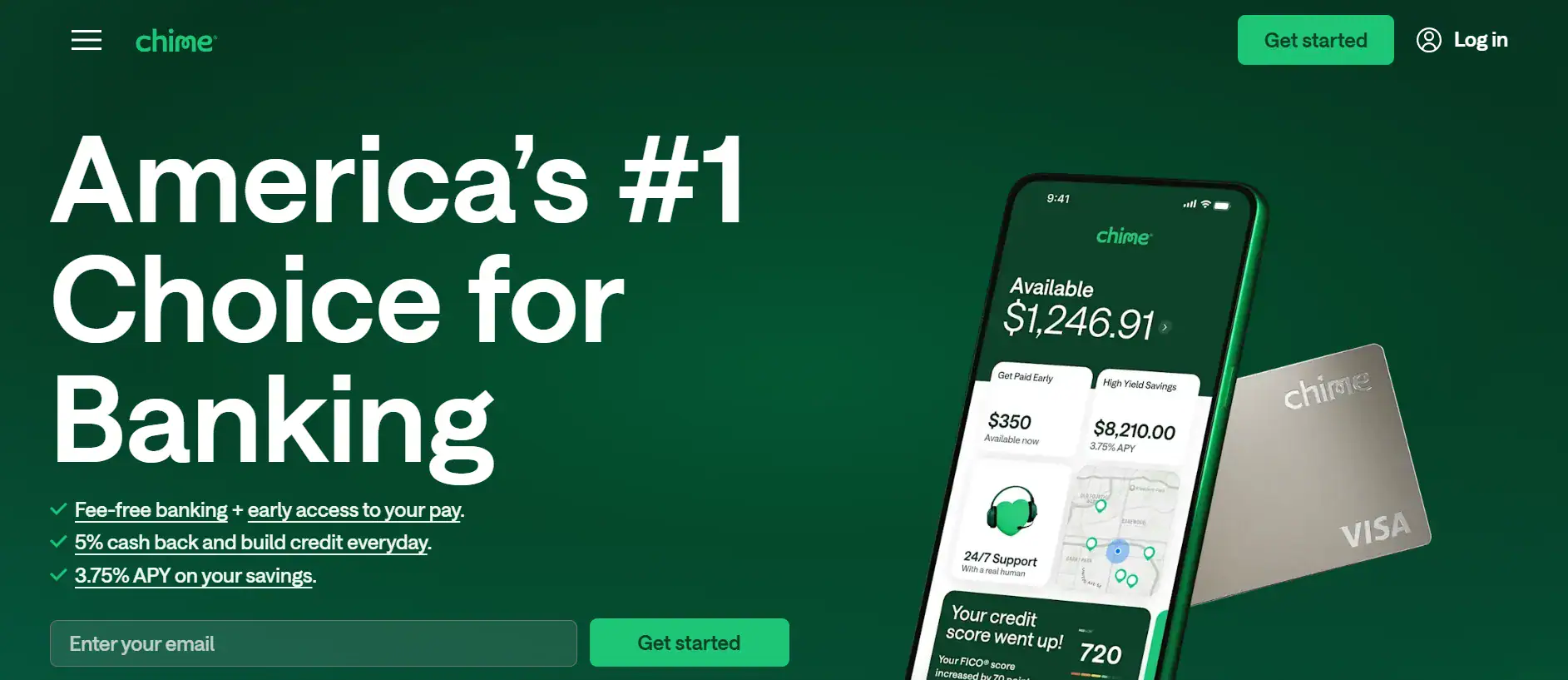
It has grown to become one of America’s largest neobanks with over 22 million active accounts. Their affiliate program through Impact.compays approximately $10 per qualified signup where the user opens an account and meets initial activity requirements. Chime’s fee-free overdraft protection, early direct deposit, and no-minimum-balance checking account are compelling selling points that resonate strongly with the millennial and Gen Z demographics who are the primary audience for personal finance content.
SoFi
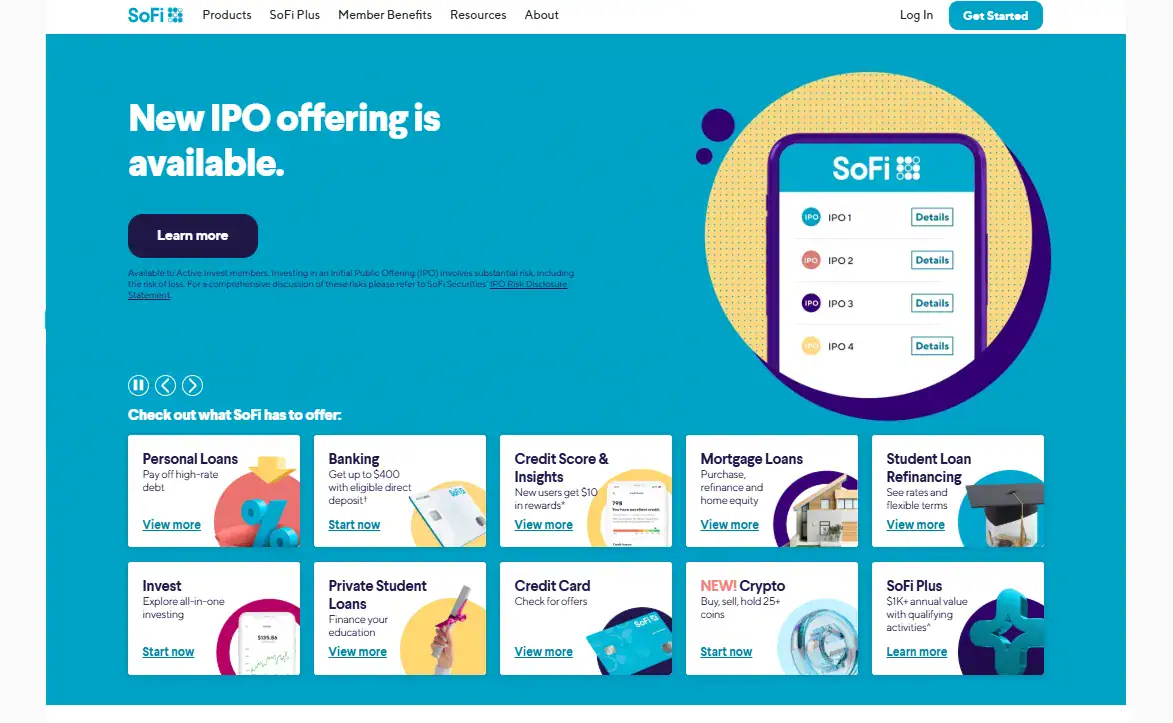
It offers a diverse product suite spanning student loan refinancing, personal loans, investing, and banking — and their affiliate program pays $50-$100 per product depending on which SoFi product the referred user signs up for. This multi-product approach means a single referred customer could potentially trigger multiple commissions if they open a SoFi checking account and then later take out a personal loan or start investing.
Strategies for Fintech Affiliate Success
The most effective content strategy for fintech affiliates centers on solving specific financial pain points rather than writing generic reviews. An article titled “How I Saved $2,400 in Interest Using Affirm Instead of My Credit Card” will outperform “Affirm Review 2026” because it speaks to a concrete outcome the reader wants to achieve. Similarly, content comparing fintech alternatives — “Klarna vs Afterpay vs Affirm: Which BNPL App is Best for Large Purchases?” — captures decision-stage search intent.
Seasonal content is extremely valuable in fintech. BNPL searches spike dramatically around Black Friday (BNPL hit $1.03 billion on Cyber Monday alone), back-to-school periods, and holiday shopping seasons. Investment platform searches spike around tax season, year-end, and during market volatility events. Building an editorial calendar around these seasonal peaks ensures your content is indexed and ranking before traffic surges.
Compliance is non-negotiable in fintech affiliate marketing. Always include proper disclosures about APR ranges, potential fees, and the fact that BNPL payments affect credit scores (per the FICO inclusion change). Avoid making guaranteed approval claims. Include the standard “affiliate disclosure” language prominently. These practices protect you legally and build trust with your audience.
Final Analysis: Best Fintech & Buy Now Pay Later Affiliate Programs
The fintech and BNPL affiliate vertical offers a rare combination of high payouts, massive consumer adoption, and evergreen demand. With 91.5 million Americans using BNPL and the global market projected to exceed $212 billion by 2033, this is not a trend — it is a structural shift in consumer financial behavior.
For affiliates, the programs with the highest long-term earning potential are eToro ($200 CPA), Binance (50% lifetime), SoFi ($50-$100 per product), and Coinbase (50% for 3 months). For content creators focused on younger demographics, Robinhood, Acorns, Chime, and Klarna offer strong brand recognition that reduces the trust barrier and improves conversion rates.